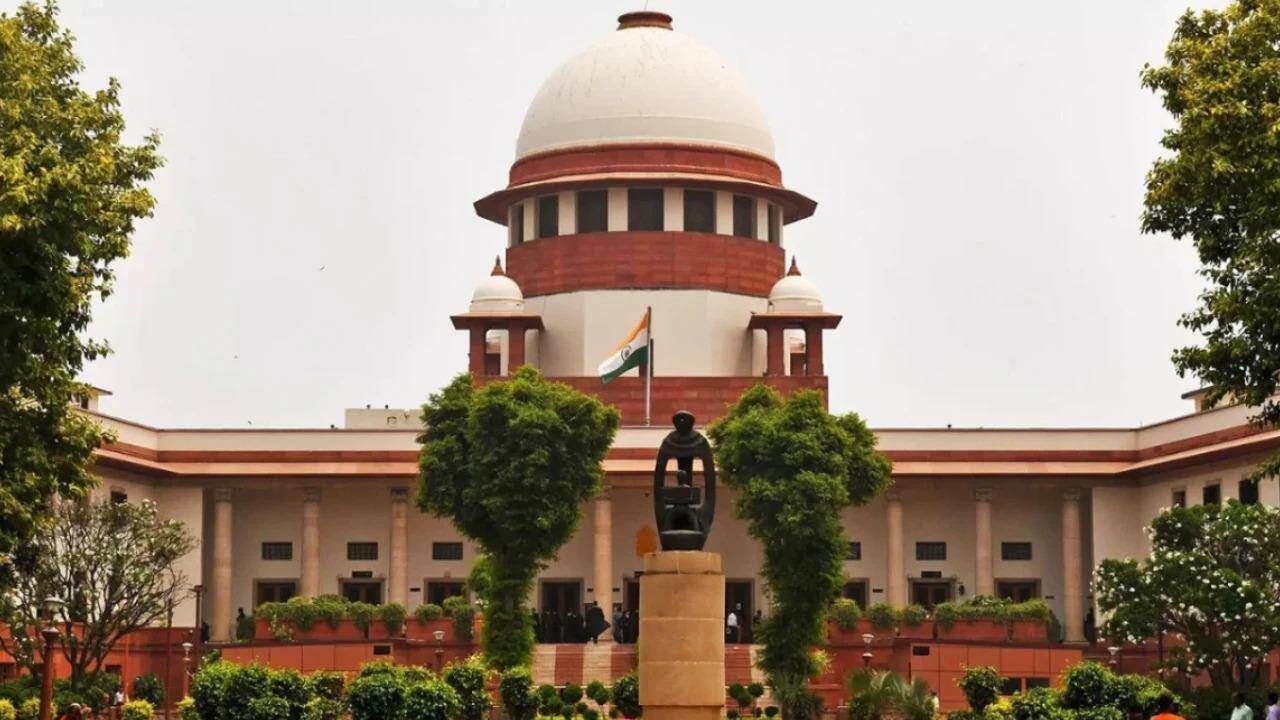
The Supreme Court of India has formally dismissed a legal petition that requested absolute discretion and a free hand for the Delhi Police in handling demonstrators within the national capital. The bench handling the matter found the plea unnecessary and declined to issue directives that would grant law enforcement sweeping, unchecked powers during public protests.
Petitions of this nature frequently arise in India when public demonstrations intersect with major urban centers, often resulting in significant traffic disruptions and security concerns. The capital city of Delhi is a frequent focal point for rallies, marches, and sit-ins organized by various political groups, labor unions, and activist organizations. Balancing the constitutional right of citizens to assemble and protest peacefully with the obligation of the state to maintain public order and safety remains a complex challenge for judicial authorities.
During the proceedings, the judicial panel emphasized the importance of established legal frameworks and standard operating procedures that already govern police conduct during public unrest. Law enforcement agencies are expected to maintain public peace while simultaneously respecting civil liberties and human rights. Granting unconditional authority without judicial or administrative oversight, according to the court's perspective, could potentially lead to the infringement of democratic rights guaranteed under the nation's legal system.
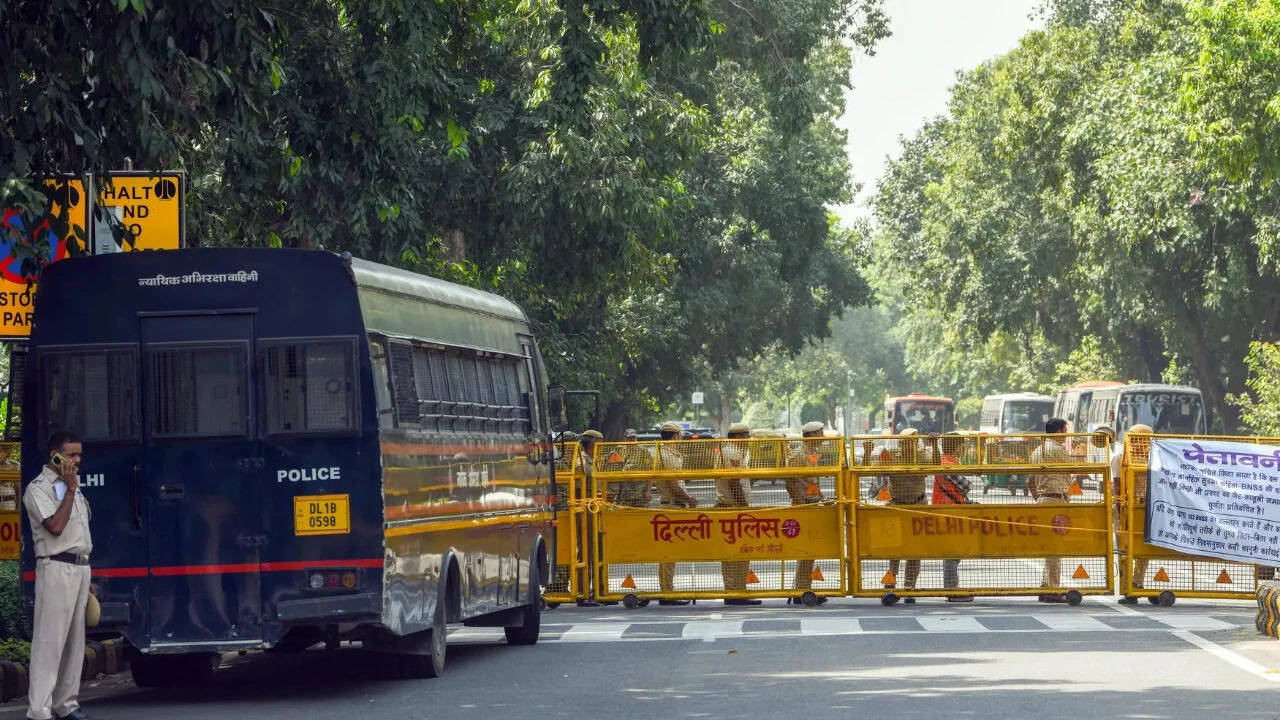
Legal experts note that crowd control methods in India are subject to strict regulatory guidelines, which include the use of proportional force and the exhaustion of peaceful negotiation before taking restrictive action. The Delhi Police, as the primary law enforcement agency reporting to the central government and working in coordination with local administration, routinely manages high-profile demonstrations near government buildings and key public corridors.
While the rejection of the plea maintains the status quo regarding police accountability, public debate persists over how authorities should manage large-scale disruptions. Incidents involving blocked roadways and clashes between demonstrators and security personnel regularly draw scrutiny from both civil society and the judiciary. The Supreme Court's decision reaffirms that law enforcement must continue to operate within the established boundaries of the law, ensuring that public safety measures do not cross into arbitrary or unregulated actions against citizens exercising their freedom of expression.
Reporting based on coverage first published by The Times of India. Read the original report at The Times of India.