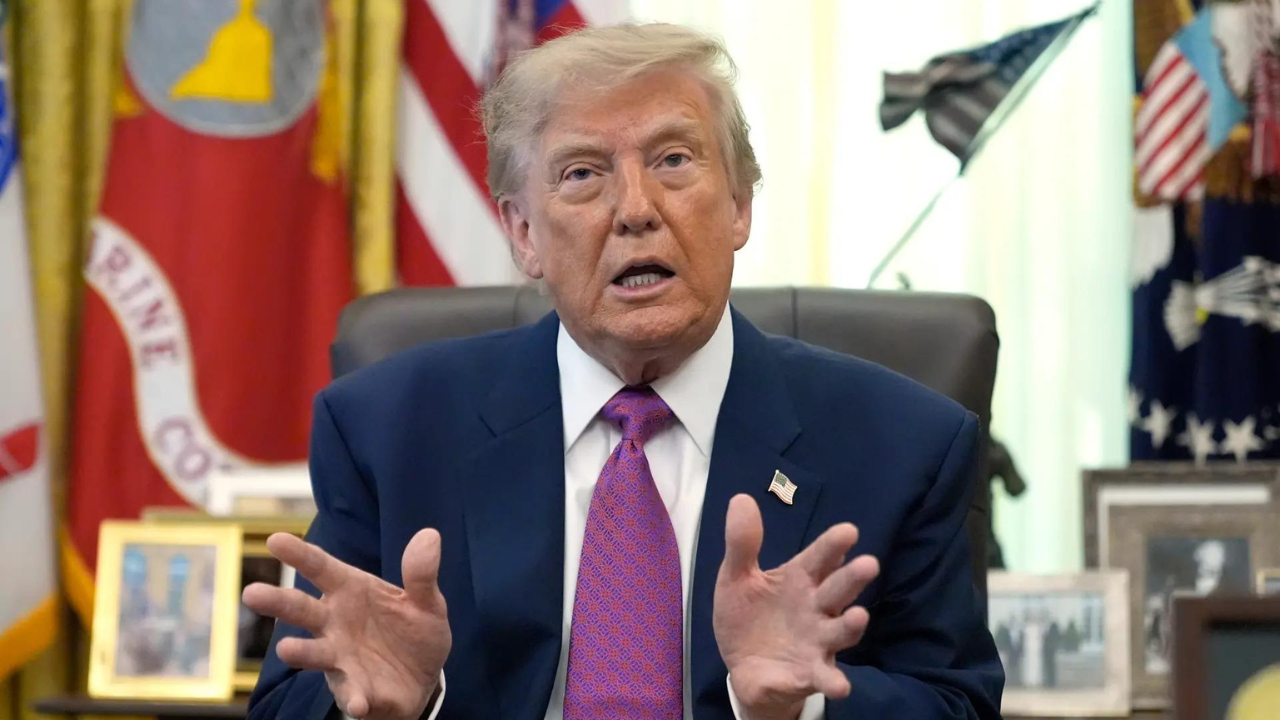
Former United States President Donald Trump has stated that both Moscow and Kyiv have reached a mutual understanding to halt attacks on critical energy infrastructure. According to the announcement, the two warring nations have agreed to cease targeting power grids, fuel depots, and other vital energy facilities as the long-running conflict continues.
The diplomatic development comes amidst ongoing international efforts to mitigate the devastating humanitarian and economic impacts of the hostilities in Eastern Europe. Energy facilities have frequently borne the brunt of aerial bombardments since the conflict escalated significantly in early 2022, leaving millions of civilians vulnerable to severe disruptions in heating, electricity, and water supplies, particularly during harsh winter months.
While official confirmation from the governments in Russia and Ukraine has been limited, the reported arrangement highlights a potential shift toward localized de-escalation. International observers have long urged both sides to protect civilian infrastructure and ensure the continuous operation of essential public services. Restricting strikes on energy assets could significantly lower civilian suffering and alleviate the strain on regional power grids.
The ongoing war has heavily impacted global energy markets, driving up costs for consumers worldwide and forcing nations to seek alternative supply routes. Stability in the energy sector remains a key priority for international stakeholders, including major economies in Asia and Europe that rely on predictable energy flows. A halt to attacks on energy infrastructure could provide a much-needed stabilizing effect on global commodity prices.
Diplomatic channels have faced immense challenges in forging lasting ceasefires or comprehensive peace accords between the neighboring nations. Negotiators have frequently turned to sectoral agreements as a more practical approach to building trust and reducing the intensity of the fighting. Limiting military operations near power generation sites represents a tangible step that could foster a more conducive environment for future diplomatic talks.
Further details regarding the enforcement and monitoring of the reported energy target moratorium remain to be seen. International monitors and humanitarian organizations will likely watch closely to determine whether the understanding translates into an immediate reduction in airstrikes on power plants and fuel storage facilities. The global community continues to monitor the situation for official updates from both capitals regarding the scope of the agreement.
Reporting based on coverage first published by The Times of India. Read the original report at The Times of India.