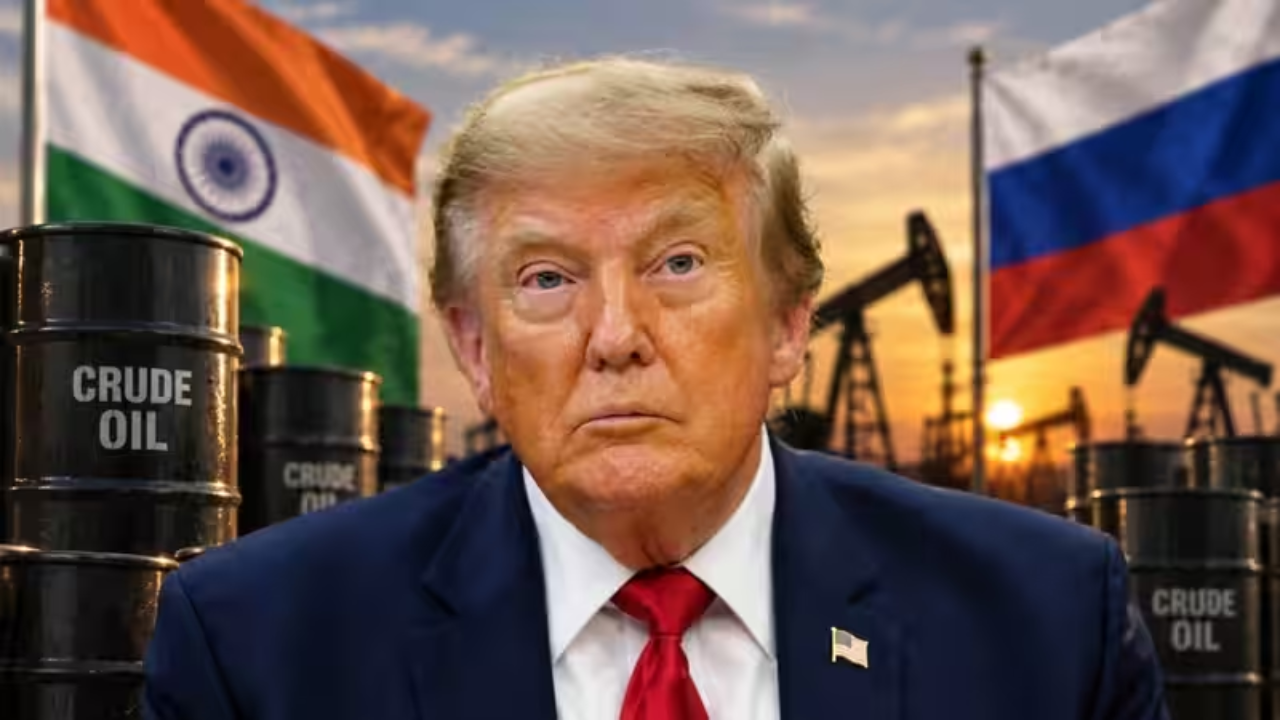
President Donald Trump has officially signed a sweeping new sanctions package targeting Russia and Iran into United States law. The legislation grants the American executive branch broad authority to penalize nations that continue to purchase energy supplies from Moscow.
Under the provisions of the newly enacted measure, the United States gains the legal framework to impose tariffs of up to one hundred percent on imports from countries engaging in Russian energy trade. Major economies such as India and China, which have consistently imported significant volumes of Russian crude oil and natural gas, find themselves directly in the crosshairs of this policy shift.
The legislative move has immediately raised anxieties regarding the future trajectory of bilateral ties between New Delhi and Washington, as well as broader implications for regional energy security. Indian officials and market analysts have expressed concern that aggressive American trade penalties could disrupt vital supply chains and inflate domestic energy costs.
Washington has long pressured international partners to curtail financial transactions with the Russian state to isolate its economy amid ongoing geopolitical tensions. However, developing nations that rely heavily on affordable imported crude have argued that sudden shifts away from traditional suppliers are economically impractical.
International reaction to the enactment of the sanctions has been swift and critical. Both Russian and Chinese authorities have voiced strong opposition to the American measures, characterizing them as an overreach of domestic law into international commerce.
Diplomatic channels remain active as affected nations evaluate the full scope of the legislation and potential countermeasures. As the administration prepares to implement the enforcement mechanisms outlined in the bill, global markets are bracing for potential volatility in energy pricing and international trade flows.
Reporting based on coverage first published by The Times of India. Read the original report at The Times of India.