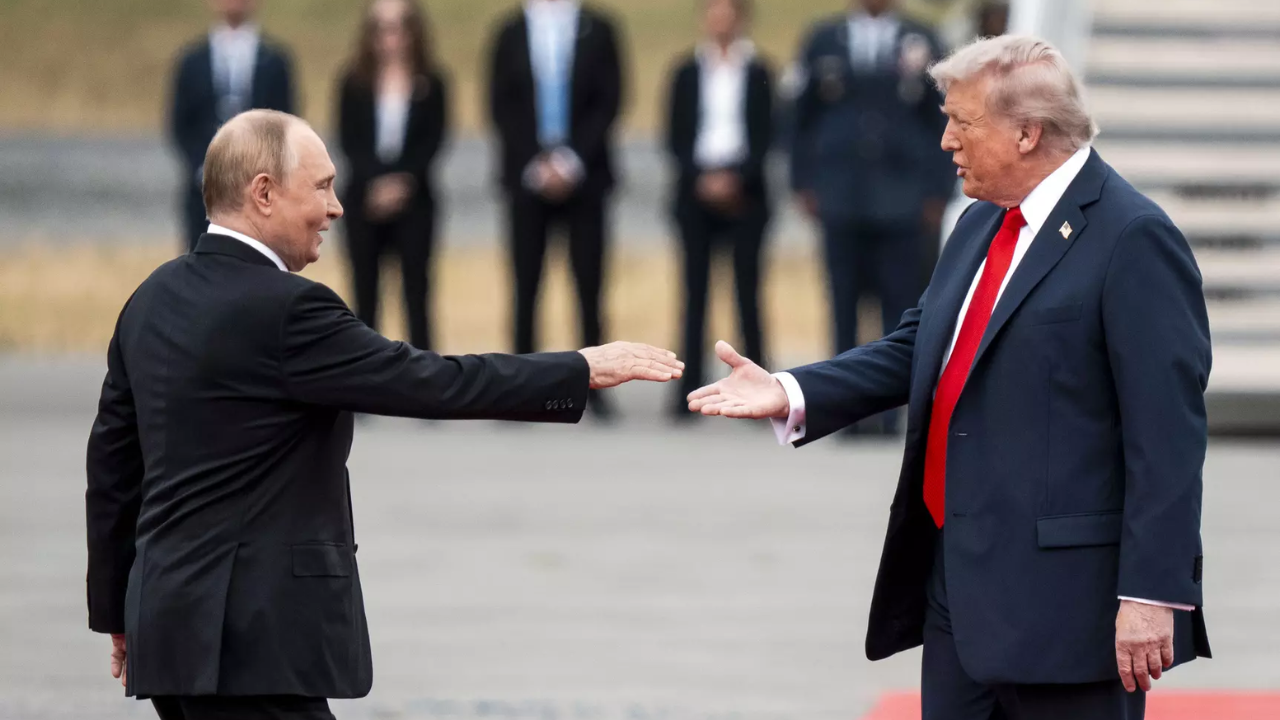
Recent developments in international energy trade have highlighted a sharp contradiction in global economic policy. Reports indicate that Donald Trump has pursued diesel fuel imports originating from Russia, a move that comes despite his previous public criticism of India for purchasing Russian energy products.
During previous diplomatic and economic discussions, United States leadership frequently pressured New Delhi to curtail its energy transactions with Moscow. Washington argued that these commercial ties undermined international sanctions imposed following the outbreak of the war in Ukraine. Indian officials consistently defended their purchasing decisions by emphasizing the necessity of securing affordable fuel to maintain domestic economic stability and manage inflation for their large population.
The latest reports reveal a notable shift in approach as American markets navigate fuel supply adjustments. By turning to Russian-sourced diesel, external observers note that pragmatic economic needs have apparently overridden previous diplomatic admonishments. The situation underscores the complex reality of global petroleum markets, where refined products often change hands multiple times and traverse intricate supply chains before reaching end-user nations.
Energy analysts point out that refined fuels, such as diesel, can be processed from crude oil originating in one country, refined in a second, and ultimately consumed in a third. This fluidity makes absolute enforcement of targeted energy boycotts exceptionally difficult for policymakers worldwide. Major economies frequently find themselves balancing geopolitical objectives against immediate domestic consumption demands and market pricing pressures.
The development has drawn considerable attention from trade monitors and international relations experts. Critics and supporters alike continue to debate the consistency of Western energy policies, particularly as various nations adapt their import strategies to manage domestic fuel inventories. As global supply networks continue to shift, governments face ongoing challenges in aligning their public rhetoric with private commercial realities.
Reporting based on coverage first published by The Times of India. Read the original report at The Times of India.