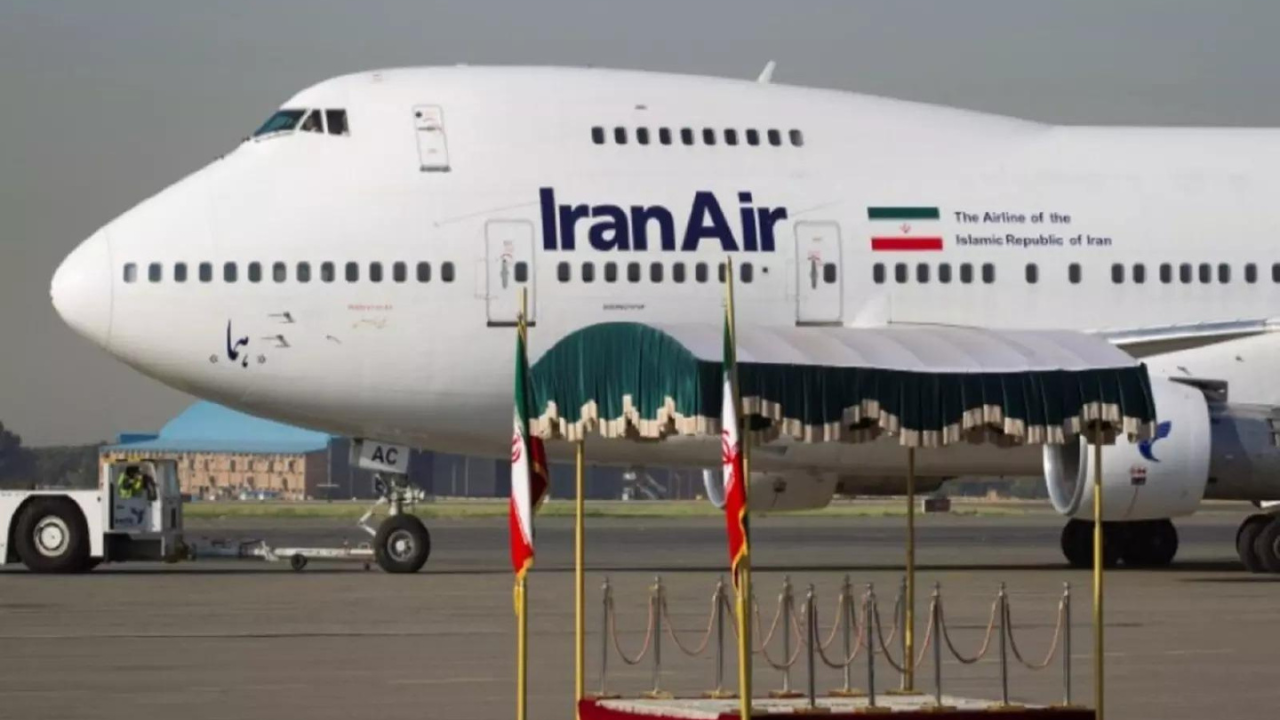
The United Arab Emirates has officially halted all flights operated by Iranian carriers. This significant policy shift aligns the Gulf nation with international enforcement measures and trade restrictions led by the United States.
The decision marks a notable diplomatic and economic adjustment in the region. By cutting off direct aviation links with Iranian airlines, the government in Abu Dhabi is taking a definitive stance on the enforcement of foreign policy directives regarding Tehran.
Aviation authorities within the UAE issued the directive to ground all incoming and outgoing services connected to Iranian aviation companies. The move effectively severs a vital travel and logistical corridor that had previously operated between the two neighboring territories.
The suspension highlights the growing pressure on regional transport hubs to comply with broader global financial and trade penalties. While the UAE maintains complex diplomatic relationships across the Middle East, this latest measure demonstrates its adherence to specific international regulatory standards.
Passengers and cargo handlers accustomed to utilizing these routes will need to seek alternative pathways for travel and trade. The sudden halt is expected to cause immediate disruptions for commercial logistics and personal transit between the two locations.
Economic analysts suggest that the restriction could further isolate Iran's commercial aviation sector, which has struggled for years under various restrictive measures. For the UAE, the policy change reinforces its alignment with western enforcement frameworks while reshaping its own airspace management.
Further updates regarding the duration of the suspension and potential exemptions for humanitarian travel are anticipated in the coming days. Regional observers continue to monitor the situation closely to assess the broader geopolitical impact of the aviation ban.
Reporting based on coverage first published by The Times of India. Read the original report at The Times of India.