The federal government has temporarily barred Microsoft from participating in a key employment-based immigration initiative, bringing a halt to new and ongoing green card applications for the technology giant’s foreign national workforce. The decision centers on the Permanent Labor Certification Program, commonly known as PERM, which serves as a vital first step for companies wishing to sponsor foreign employees for permanent residency in the United States.
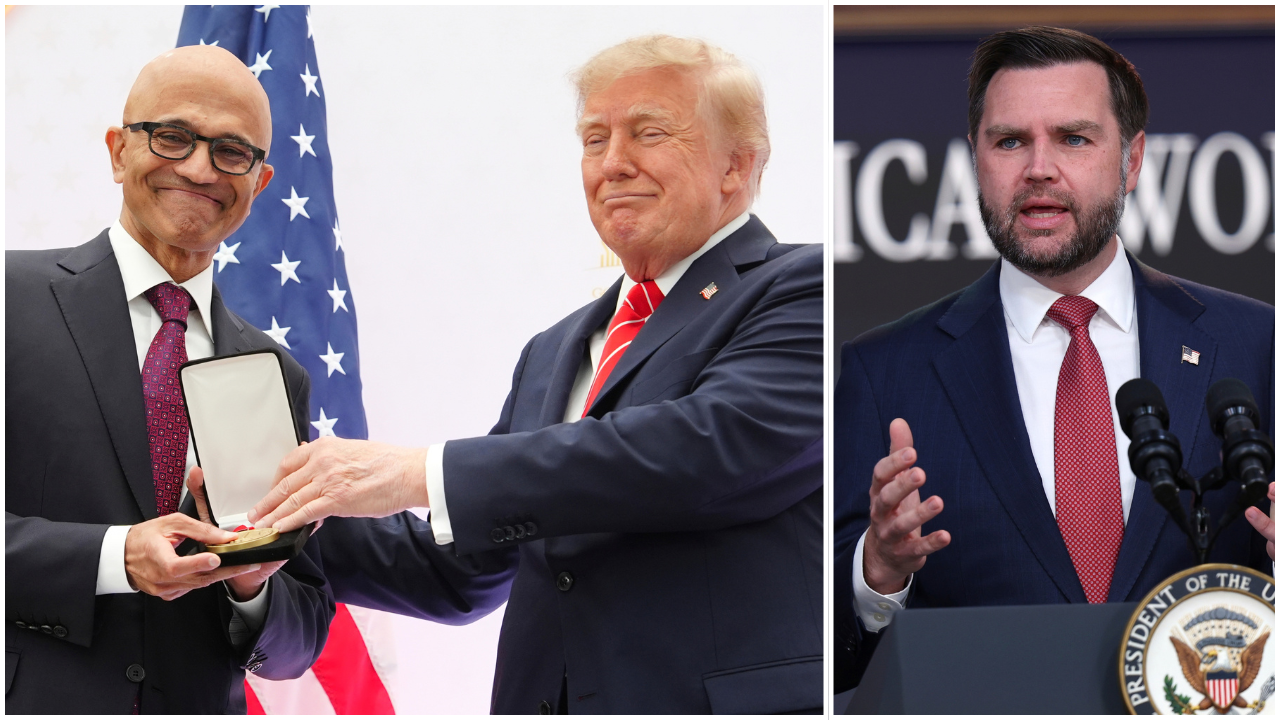
The suspension follows sharp criticism from high-ranking administration officials regarding corporate immigration practices. Vice President JD Vance publicly condemned the technology corporation, alleging that the enterprise improperly leveraged both the PERM framework and the H-1B visa system to displace American citizens and residents who had recently faced termination.
In response to the federal freeze and the accompanying accusations, corporate leadership at Microsoft defended the company's hiring and sponsorship protocols. Representatives for the firm emphasized that the vast majority of its H-1B filings during the preceding fiscal year were dedicated to securing status for individuals already on the payroll rather than recruiting new arrivals from abroad. Furthermore, the organization maintained that its compensation structure ensures foreign professionals on temporary visas receive identical pay to domestic colleagues performing equivalent duties.
The PERM process is managed by the Department of Labor and requires employers to demonstrate a genuine shortage of qualified domestic workers before foreign nationals can be sponsored for permanent residency. This administrative hurdle is a cornerstone for many major technology firms that rely on global talent pools to fill specialized engineering and technical roles.
The restriction impacts thousands of skilled professionals currently employed by the corporation who are awaiting the processing of their residency paperwork. Immigration attorneys note that such suspensions can create significant retention challenges for technology enterprises that compete globally for top-tier engineering and research talent.
Policy debates surrounding the intersection of corporate immigration and domestic employment have intensified in recent years, with lawmakers and administration officials scrutinizing how tech companies utilize foreign worker programs. The current action against Microsoft highlights a broader trend of increased federal oversight regarding corporate sponsorship practices and labor market compliance.
Reporting based on coverage first published by The Times of India. Read the original report at The Times of India.