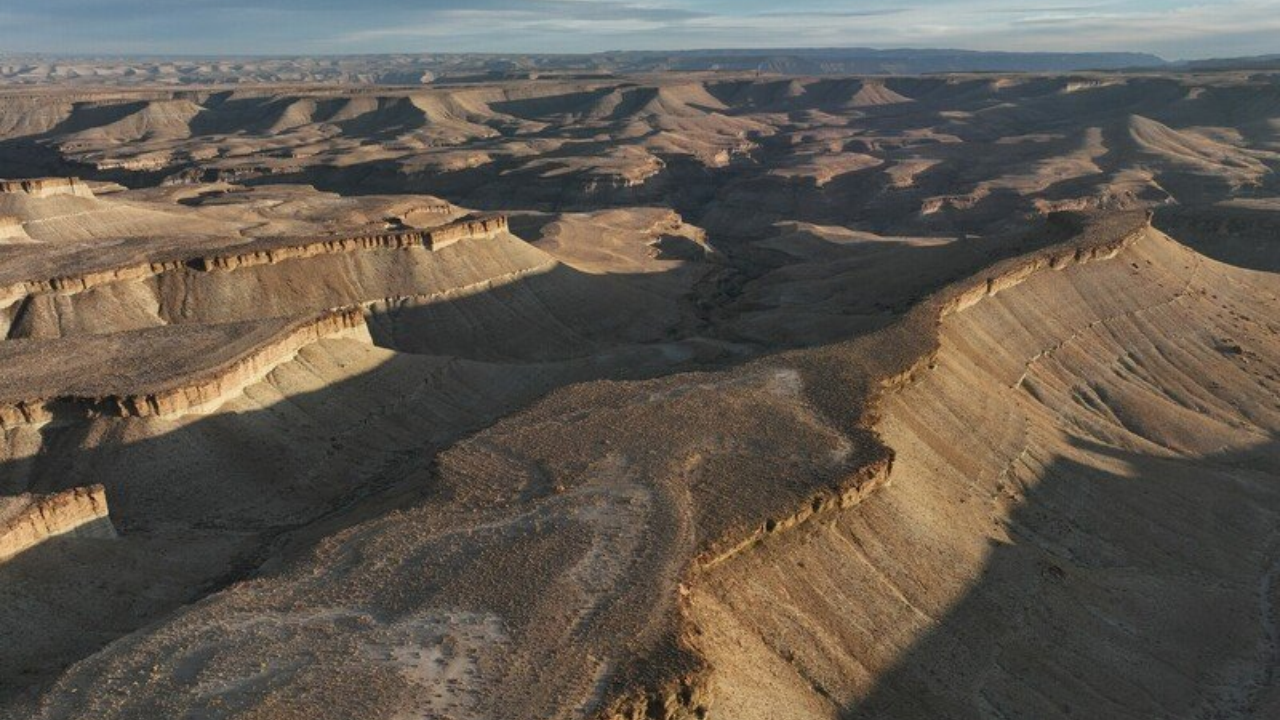
A coalition of conservation advocates has filed a federal lawsuit in an effort to halt a contentious road paving initiative in the western United States. The legal action challenges a plan by Utah authorities that involves blasting canyon cliffs to widen and pave an existing route through a sensitive public landscape.
According to the legal complaint, the construction project threatens dozens of irreplaceable cultural landmarks. Environmental and preservation groups state that at least 47 historic sites, including ancient Native American rock art and unique historical inscriptions, are in immediate danger of being damaged or destroyed by the expansion work.
The lawsuit also highlights severe environmental risks associated with the development. Conservationists warn that heavy machinery, blasting, and increased traffic will disrupt delicate local ecosystems. Particular concern has been raised regarding the endangered Mexican spotted owl, a protected species whose nesting grounds and natural habitat overlap with the proposed path of the road.
Plaintiffs in the case argue that federal regulators failed to fulfill their legal obligations before allowing the initiative to move forward. The complaint alleges that the United States Bureau of Land Management bypassed vital environmental assessments and cultural resource evaluations that are legally required to safeguard public lands. By allegedly sidestepping these crucial reviews, the agency overlooked the long-term consequences of the construction on both wildlife preservation and indigenous heritage.
The contested project is part of ongoing regional debates regarding infrastructure development and the management of protected wilderness areas. State and local proponents often argue that road improvements are necessary for public access, emergency services, and economic activity. Meanwhile, environmental advocates and tribal communities emphasize the urgency of protecting fragile ecosystems and preserving historical artifacts that cannot be replaced once damaged.
The federal court will now review the arguments presented in the lawsuit to determine whether the regulatory approval process was flawed. The outcome of the legal challenge could set a significant precedent for how infrastructure projects are evaluated and permitted in sensitive ecological and historical zones across the country.
Reporting based on coverage first published by The Times of India. Read the original report at The Times of India.