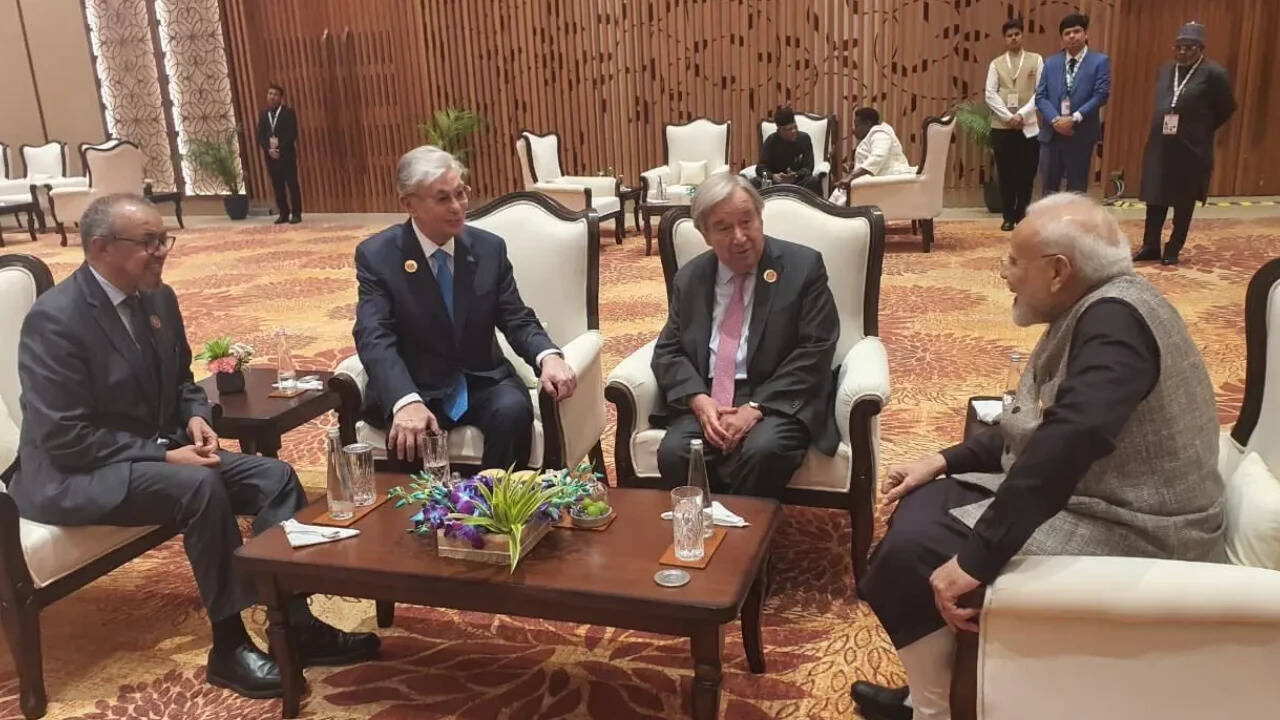
Diplomatic dynamics between India and China faced renewed scrutiny following the recent BRICS Summit hosted in New Delhi. Observers noted a notable absence from the grand evening banquet hosted by Indian Prime Minister Narendra Modi, as Chinese President Xi Jinping chose not to attend the high-profile gathering.
The gala dinner served as a central networking event for leaders participating in the multilateral summit, aiming to foster cooperation among major emerging economies. While other international delegates gathered for the formal evening, the Chinese delegation handled its representation differently. The decision by the top Chinese leadership to bypass the social event drew immediate attention from international analysts monitoring bilateral relations between the two neighboring Asian powers.
Relations between New Delhi and Beijing have experienced persistent friction over ongoing territorial disputes along their shared Himalayan frontier. Despite numerous rounds of diplomatic and military talks, complete disengagement in several border sectors remains elusive. This underlying strategic competition frequently influences the optics of high-level multilateral engagements hosted by either nation.
Diplomats often parse the attendance and body language of leaders at such summits for signals regarding bilateral warmth or cooling. Skipping a host-led gala dinner is a diplomatic choice that can convey subtle displeasure or a deliberate effort to keep interactions strictly formal. However, official delegations typically attribute such scheduling adjustments to internal planning or overlapping commitments during intense summit agendas.
The BRICS grouping brings together Brazil, Russia, India, China, and South Africa, alongside newly admitted members, to discuss trade, development, and global governance reform. The presence of both Indian and Chinese leadership at the summit underscores the importance of the economic bloc despite their bilateral complications. Both nations routinely emphasize the necessity of maintaining dialogue on multilateral platforms while managing their complex regional rivalry.
Further details regarding the precise reasoning behind the missed dinner are expected to emerge as foreign policy analysts evaluate the full scope of the New Delhi summit. As both countries navigate a multipolar global order, their ability to balance competition with cooperation remains a critical factor for regional stability.
Reporting based on coverage first published by The Times of India. Read the original report at The Times of India.