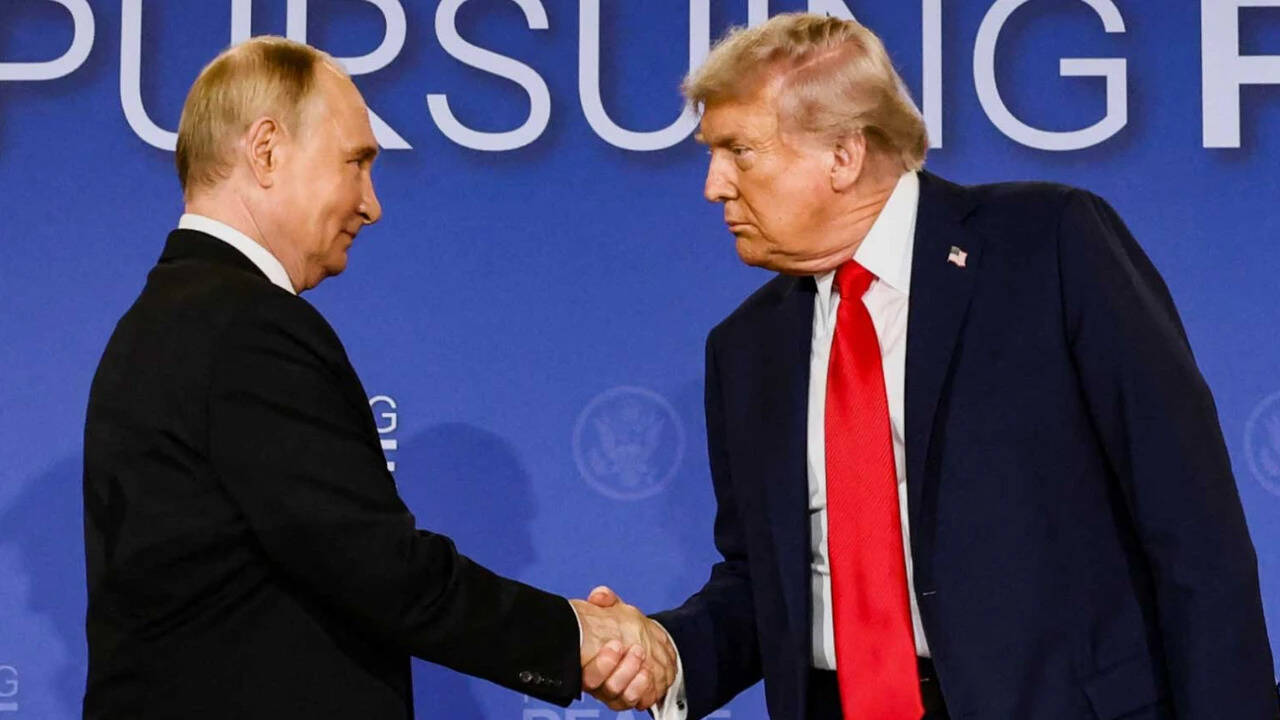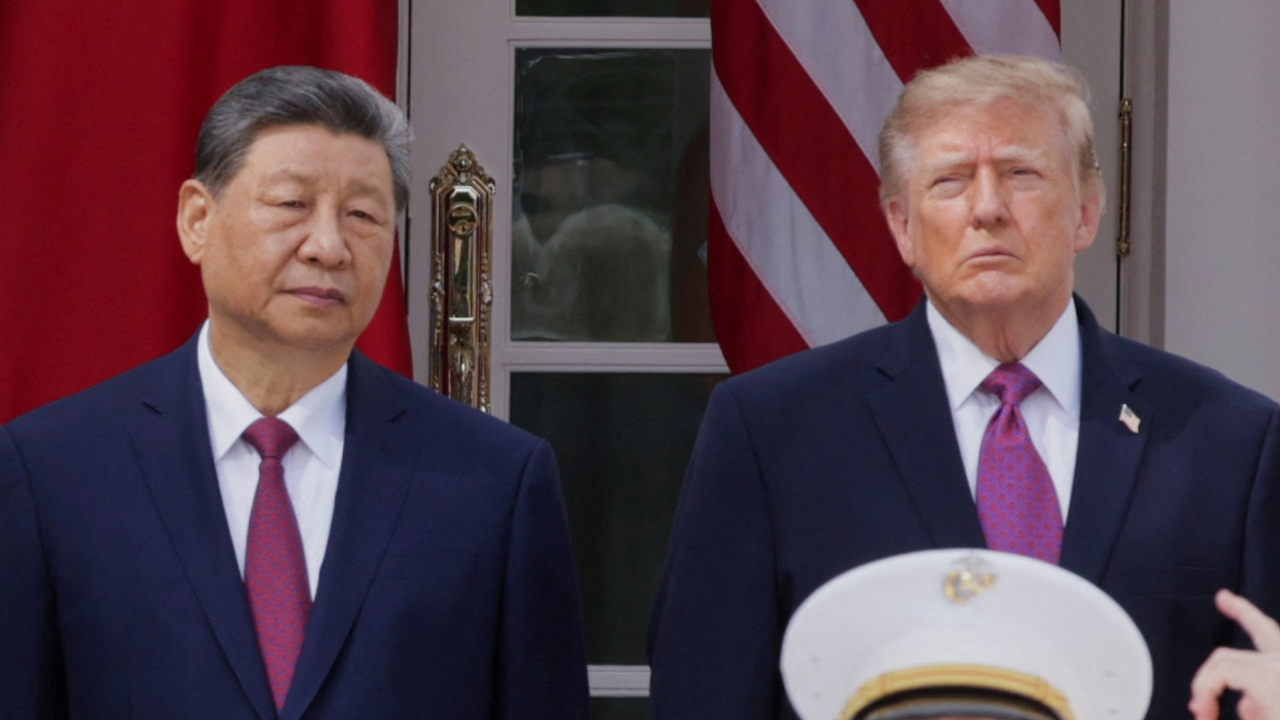
Chinese President Xi Jinping has recently urged Washington and Beijing to find a cooperative path forward to sidestep a potential clash between established and rising global powers. During recent diplomatic communications, the Chinese leader maintained that his nation's ongoing development and modernization do not inherently threaten the standing of the United States on the world stage. This outreach touches upon the classic theoretical concept often referred to as the Thucydides Trap, which suggests that a rising power frequently provokes a defensive and conflict-prone reaction from an incumbent superpower.
Despite a history of sharp exchanges and trade tensions between the two nations, former United States President Donald Trump offered an encouraging reaction to the overture. He pointed to his past working relationship with the Chinese leader as a foundation for constructive dialogue. The positive response from Washington has drawn mixed reactions from foreign policy analysts and political observers, many of whom remain cautious about the long-term viability of any diplomatic thaw.
Skeptics of this approach argue that Beijing's ongoing military modernization and strategic expansion in the Indo-Pacific region present genuine security challenges that cannot be easily overlooked. Critics contend that military assertiveness on the ground often contradicts conciliatory rhetoric delivered at the negotiating table. These concerns keep the debate active among lawmakers and security strategists regarding how best to manage the shifting balance of global influence.
Amid these competing viewpoints, United States Secretary of State Marco Rubio has emphasized the necessity of maintaining diplomatic channels with Beijing. He noted that active engagement remains crucial for managing bilateral friction and addressing areas of shared global concern, even as strategic competition intensifies. This balanced perspective highlights the ongoing challenge facing American foreign policy as it navigates complex economic and security dynamics with China.
The diplomatic exchange underscores the delicate nature of superpower relations in the current international landscape. Both capitals face domestic pressures to project strength while simultaneously avoiding a catastrophic military or economic confrontation. As developments unfold, policymakers on both sides continue to search for mechanisms to stabilize their relationship and prevent misunderstandings from escalating into open conflict.
Reporting based on coverage first published by The Times of India. Read the original report at The Times of India.