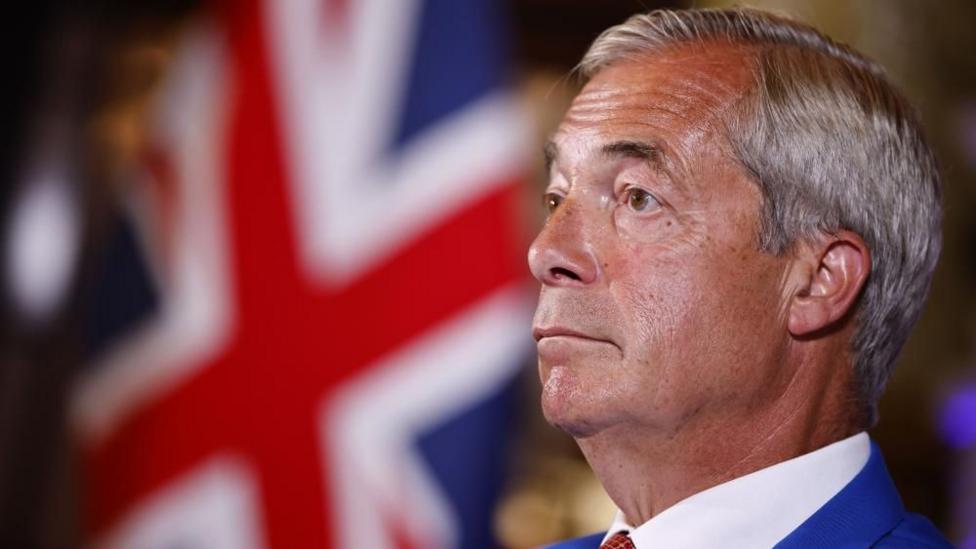
As Reform UK gathers for its annual conference, party leader Nigel Farage finds himself at a pivotal juncture more than three decades after his initial bid for a parliamentary seat. At age 62, the central question for the veteran politician is whether he can successfully translate his unconventional platform into governing power and ultimately secure the office of prime minister. Yet, achieving that ambition depends on navigating a series of pressing challenges that currently confront the populist movement.
The party has recently weathered a storm of negative press surrounding financial transparency and donor relations. A covert media investigation broadcast recently captured a high-ranking aide to the leader discussing methods to bypass electoral regulations in order to accept a half-million-pound contribution from overseas. Reform UK has strongly rejected any implication of impropriety, asserting instead that the organisation fell victim to a fabricated operation orchestrated by international environmental activists.
Beyond questions over campaign contributions, the political figurehead faces ongoing scrutiny regarding his personal financial disclosures and his associations with a convicted fraudster, alongside an active parliamentary inquiry into an unregistered multi-million-pound gift from a billionaire supporter. These controversies have coincided with a noticeable cooling in public sentiment. Polling data indicates that while core supporters remain fiercely loyal, the leader's broader approval ratings have slipped over the past year, bringing him near the lower end of popularity rankings among political chiefs.
Observers and political insiders have also noted a distinct shift in his public demeanor during recent months. Some commentators suggest his usual affable approach has given way to a more defensive and combative posture. Critics argue that this hardened style risks alienating moderate conservatives and undecided voters whose support is essential for electoral breakthroughs. Tensions have further flared following the exclusion of several prominent journalists from the conference venue, though party officials emphasize that a large number of other media representatives have been granted credentials.
Politically, the landscape has grown more competitive as Reform UK's extended tenure at the top of opinion polls comes to an end. The party faces renewed pressure from a recovering Labour administration under Andy Burnham and competition from a rival right-wing group established by a former Reform lawmaker. Furthermore, external factors such as foreign policy developments and international alliances have occasionally complicated the party's messaging.
To regain momentum, leadership plans to use the conference to roll out a comprehensive agenda for the party's initial months in office if it secures power. The strategy involves maintaining constant media visibility through a steady stream of policy announcements addressing immigration, economic management, and housing. Organizers are also preparing for the possibility of an early national ballot in the spring, betting that an aggressive policy push will keep their movement at the forefront of the national conversation.
Reporting based on coverage first published by BBC News. Read the original report at BBC News.


