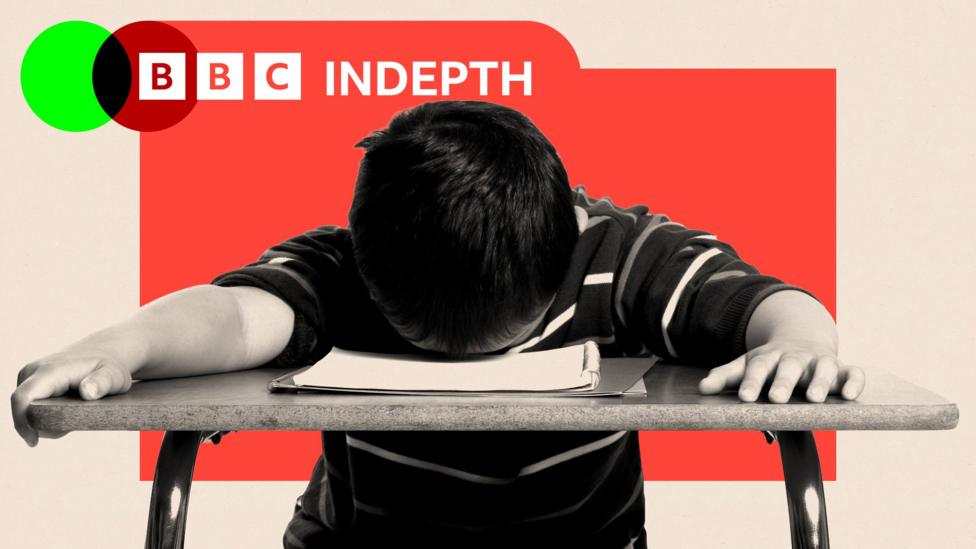
Rising summer temperatures are prompting education experts and families to rethink the traditional academic calendar across the United Kingdom. Recent extreme weather has turned classrooms into uncomfortably warm environments, leading educators to question whether the current school year structure remains viable.
In nations like Scotland, academic terms generally begin in mid-August and conclude by late June or early July. However, schools in England, Wales, and Northern Ireland typically maintain a schedule that extends through late July. This timing places students directly in classrooms during the most intense heat of the early summer months.
The consequences of this scheduling have become increasingly disruptive. During recent heatwaves, outdoor temperatures routinely surpassed 30C, causing indoor classroom conditions to become dangerously stifling. Many British schools lack air conditioning and adequate ventilation, forcing more than 1,000 institutions to close temporarily or send students home early to protect their health and safety.
These high temperatures have created severe hurdles for teenagers taking high-stakes GCSE and A-level examinations. Experts emphasize that excessive warmth significantly diminishes cognitive function, concentration, and overall academic performance. Educational leaders have argued that holding major exams during May, June, and July requires a thorough review of how the academic year is organized.
Public concern is mounting alongside official warnings. Some families have reported alarming incidents of children suffering from heat exhaustion and requiring medical treatment after spending the day in overheated school facilities. Critics note that many educational buildings are simply unequipped to handle prolonged periods of severe warmth.
Meteorological data indicates that intense heat is arriving much earlier in the year than it did decades ago. Historical comparisons show that the first 30C day of the year used to occur around mid-July in the 1960s, whereas that threshold is now frequently reached by mid-June. Furthermore, the warm season is expanding at both ends, with elevated temperatures increasingly occurring in May and September.
Official meteorological records confirm that recent months have brought unprecedented weather patterns, including multiple prolonged heatwaves and consecutive months featuring temperatures exceeding 35C. A study evaluating optimal learning environments established 26C as the maximum comfortable limit for classrooms, a threshold that has been regularly breached.
As human-induced climate change continues to drive up seasonal temperatures, unexpected school closures and heat-related disruptions are expected to become more common. Policymakers and school administrators face mounting pressure to adapt infrastructure or modify term dates to safeguard student health and academic progress in a warming world.
Reporting based on coverage first published by BBC News. Read the original report at BBC News.


