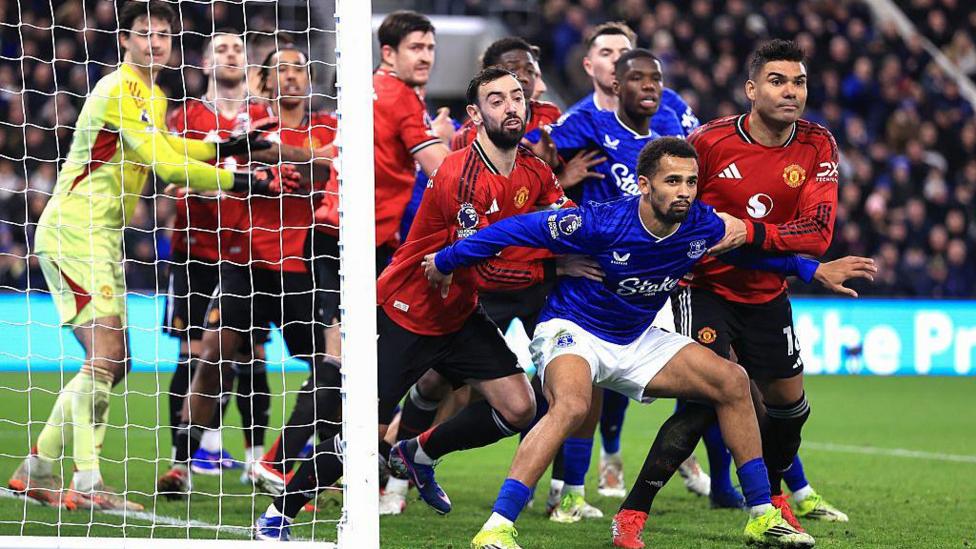
The Premier League is introducing stricter officiating standards for set-pieces ahead of the new campaign following a notable rise in physical grappling inside the penalty area last year. The issue drew sharp criticism from managers during the previous season, particularly after a tense match between Everton and Manchester United in February where players crowded the six-yard box.
Concerns grew further in May when a controversial incident during a match between West Ham and Arsenal involved multiple simultaneous fouls during a disallowed goal sequence. These events prompted extensive consultations over the summer between club captains, coaches, and match officials to address the growing prevalence of pushing, shoving, and holding during corners and free-kicks.
While the official rules of the sport remain unchanged, referees across the Premier League, English Football League, and Women's Super League have been instructed to adopt a firmer approach toward non-footballing actions. Officials will pay particularly close attention to holding tactics that materially influence the play or prevent an opponent from reaching the ball. Data from the previous season highlighted that several missed video assistant referee interventions involved penalties that were not awarded after players were wrestled to the ground away from the flight of the ball.
Under the updated guidelines, referees will penalize defenders who turn their backs entirely on the ball and focus solely on obstructing an attacker using both arms or sustained pulling. Howard Webb, the chief of Premier League referees, emphasized that officials are expected to take proactive measures with fewer verbal warnings and more direct penalties. The enforcement aims to encourage players to alter their defensive habits during dead-ball situations.
At the same time, authorities have clarified that physical contact will not be completely eradicated from the game. Unlike some international tournaments, the Premier League will maintain a higher threshold for general contact, meaning goals will not automatically be disallowed if a goalkeeper experiences standard physical challenges while not actively playing the ball. However, actions that specifically restrict a goalkeeper's arm movement will continue to be penalized strictly.
To prepare squads for the adjustment, the refereeing organization Pro Ref visited club training grounds throughout the summer to review video examples of fouls. Players were shown specific clips from last season, including off-the-ball wrestling incidents that went unpunished previously but will now result in penalties. The new directives will be put to the test immediately when the season begins on Friday night with Arsenal facing Coventry.
Reporting based on coverage first published by BBC Sport. Read the original report at BBC Sport.


