Trade negotiations between Washington and Ottawa collapsed late Friday evening, resulting in a steep new round of American duties on Canadian goods and prompting an immediate pledge of retaliation from Canadian leadership.
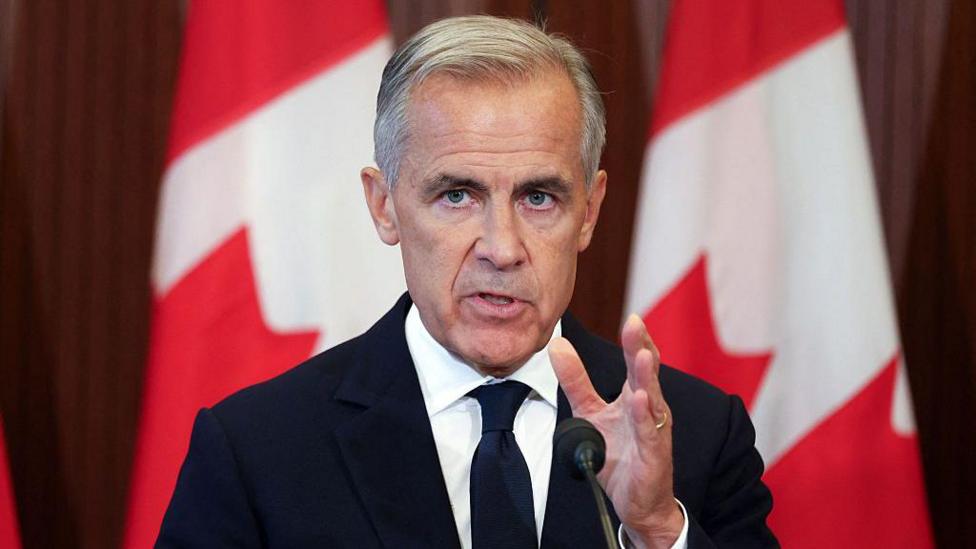
Speaking to the public on Saturday morning, Canadian Prime Minister Mark Carney characterized the fresh US levies as a serious miscalculation intended to fracture his country. He stated that he chose to abandon the negotiating table rather than compromise national sovereignty, describing the current economic pressure from the southern neighbor as an assault. According to the prime minister, the American side demanded excessive concessions while offering insufficient incentives in return.
Under the new measures, the United States has imposed a 50 percent tariff on a broad spectrum of Canadian products. These additions compound existing American duties previously placed on Canadian lumber, automobiles, steel, and aluminum.
In response, Ottawa announced plans to implement matching countermeasures on a dollar-for-dollar basis beginning September 8. The retaliatory duties are slated to affect a variety of imported American goods, including electronics, household appliances, dairy items, and steel. Carney emphasized that his administration was pursuing these retaliatory steps with reluctance, framing them as a necessary defense of national interests.
The breakdown followed an extended period of intermittent discussions that had intensified over the previous several weeks ahead of a strict American deadline. Earlier in the week, officials from both nations had expressed optimism regarding a potential agreement. However, talks disintegrated on Friday as each side accused the other of introducing unexpected revisions.
American trade representatives asserted that the Canadian delegation had introduced last-minute demands and reversed positions on previously settled points. Washington officials stated that the aborted agreement would have reduced existing tariffs and provided favorable terms, adding that there are currently no scheduled plans to restart negotiations.
Carney pushed back against the American characterization, stating that the proposed conditions were excessively restrictive and would have severely limited Canada's autonomy to pursue international commerce with other nations. He also rejected claims that his team had acted in bad faith at the final hour, maintaining that Canadian officials were repeatedly let down by the terms presented.
The friction arrives amid the mandatory periodic review of the trilateral trade agreement binding the United States, Canada, and Mexico. The pact, which replaced older continental trade arrangements, governs over a trillion dollars in annual commerce. Earlier this summer, Canada and Mexico sought a multi-year renewal of the treaty, but the United States declined to extend it under its existing framework. Carney acknowledged that the failure to reach a compromise bodes poorly for the future of the continental trade agreement.
Tariffs have remained a central pillar of the White House economic strategy, with proponents arguing the taxes protect domestic industries and encourage local manufacturing. Economists and critics frequently counter that such levies drive up costs for domestic consumers and introduce instability into international supply chains.
Reporting based on coverage first published by BBC News. Read the original report at BBC News.


