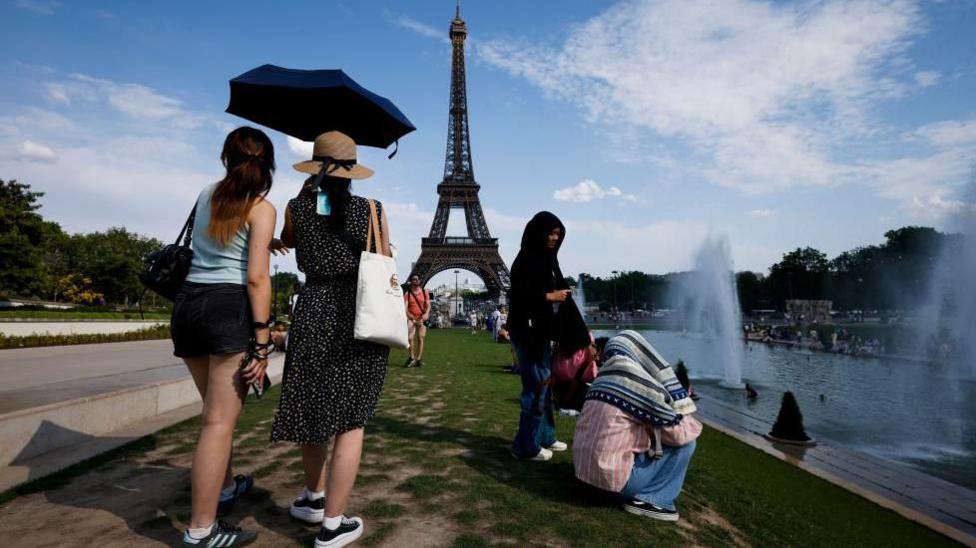
French authorities have reported a significant increase in water-related fatalities this summer, attributing the surge to a series of intense heatwaves that have swept across the region. Government officials revealed that over 300 individuals have lost their lives in drowning incidents since mid-June, representing a double-digit percentage increase compared to the same period in the previous year.
Marina Ferrari, the sports and youth minister, described the cumulative mortality figures as a devastating loss of life during an interview with a national radio broadcaster. The rise in fatalities coincides with severe meteorological conditions affecting Southern Europe, where prolonged high temperatures have also sparked extensive wildfires and forced emergency measures in several areas.
According to government assessments, a significant factor behind the rising death toll is the behavior of individuals seeking relief from the stifling conditions. Officials noted that many victims entered hazardous or unauthorized bodies of water, such as rivers and canals, where rescue services are absent and currents can be unpredictable.
In addition to open-water hazards, authorities observed that a notable proportion of fatal incidents occurred in private residential swimming pools, particularly among older demographics. Experts warn that rapid entry into cooler water while experiencing high body temperatures can trigger thermal shock, while swimmers frequently underestimate their physical limitations in challenging conditions.
The extreme weather has placed a heavy strain on infrastructure and public safety throughout France. Earlier in the summer, elevated river temperatures forced the temporary shutdown of a nuclear energy facility in the country's southwest, as environmental regulations prohibit exceeding strict thermal thresholds for cooling water discharge. Major tourist landmarks in Paris also adjusted their operating hours due to extreme heat, while large-scale blazes displaced hundreds of thousands of residents, particularly in the southwestern Gironde region.
Public health agencies have recorded thousands of excess deaths nationwide during the prolonged periods of elevated temperatures. Climate researchers note that the European continent continues to warm at a pace significantly faster than the global average, intensifying the frequency and severity of extreme weather events. In response to the ongoing risks, national officials are collaborating with local governments to enhance safety measures and upgrade supervised swimming infrastructure across affected regions.
Reporting based on coverage first published by BBC News. Read the original report at BBC News.


