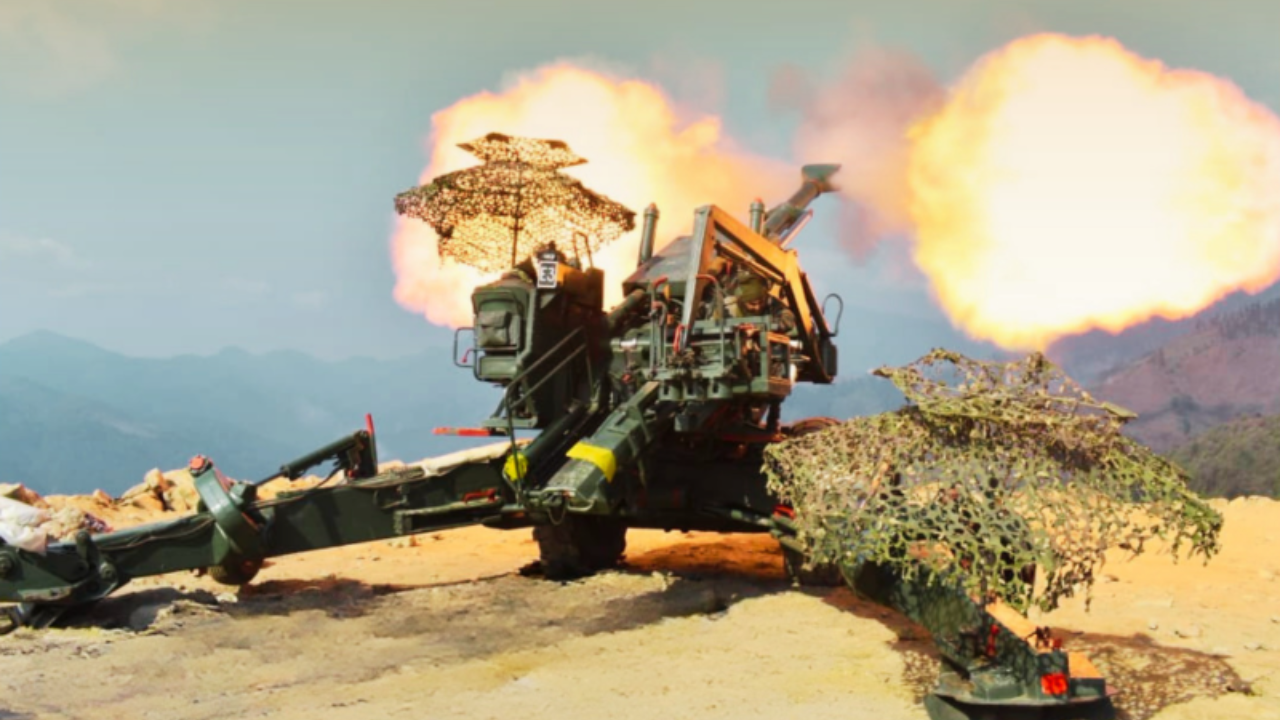
The military history of artillery on the Indian subcontinent stretches back centuries, evolving continuously from early gunpowder weapons and mountain artillery pieces into a sophisticated arm of modern armed forces. In recent years, the Regiment of Artillery has demonstrated the vital importance of long-range firepower during border operations, proving its ongoing relevance in contemporary defense strategy.
To meet the demands of twenty-first-century combat, the force has steadily expanded its technological capabilities. The integration of modern domestic and foreign hardware, including advanced rocket systems like the Pinaka and locally manufactured towed artillery such as the Dhanush, has significantly increased the reach and precision of ground forces across diverse geographical terrains.
Military planners emphasize that future conflicts will rely heavily on artillery assets to control critical choke points and execute long-range kinetic operations. Because of this expanding operational scope, long-range firepower serves as a powerful strategic deterrent against potential adversaries.
However, defense analysts note that maximizing the effectiveness of these advanced weapons requires a fundamental shift in tactical mindset. Traditional approaches to warfare are no longer sufficient to harness the full potential of next-generation hardware.
To achieve battlefield dominance, modern artillery units must be tightly integrated with a comprehensive network of ground, air, and space-based sensors. This seamless incorporation of intelligence, surveillance, and reconnaissance data allows commanders to locate targets quickly and strike with maximum efficiency.
As defense technology continues to advance, the role of artillery is expected to expand even further across the theater of operations. Future conflicts will likely see artillery playing a central role in virtually every tactical engagement, supported by continuous technological upgrades and modernized operational doctrines.
Reporting based on coverage first published by The Times of India. Read the original report at The Times of India.