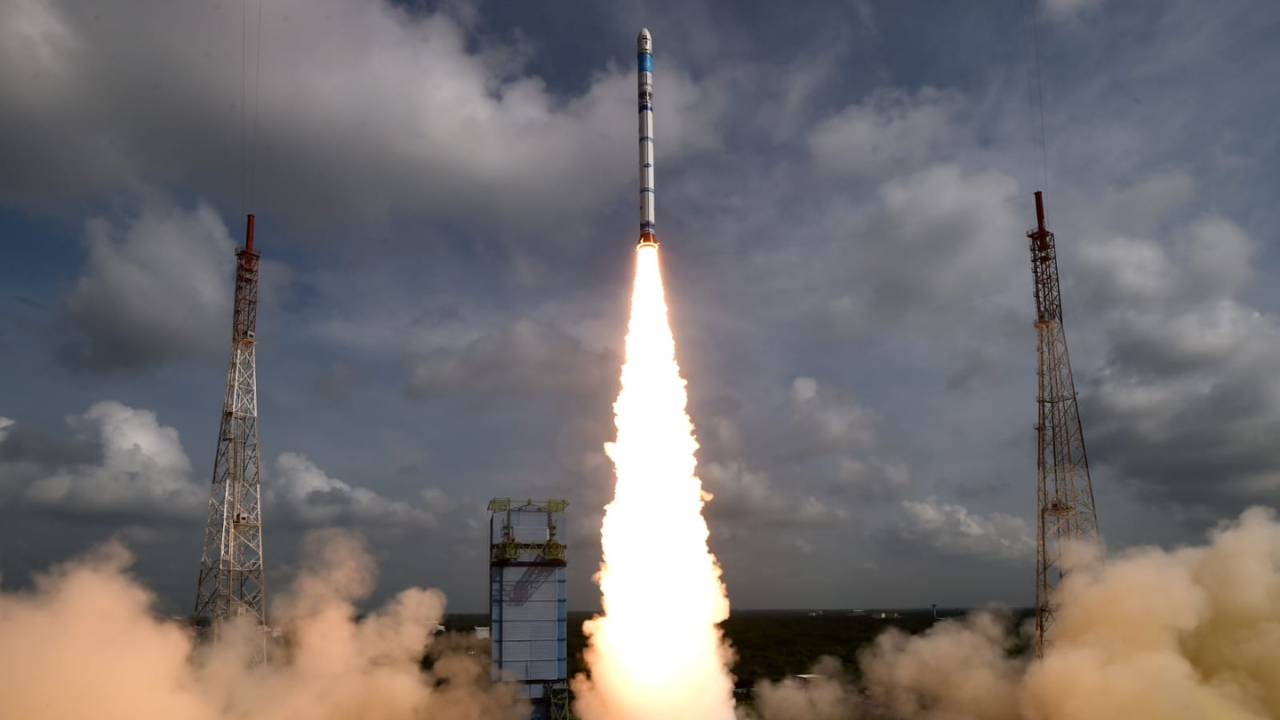
The Indian space program stands on the brink of its most ambitious era yet, following decades of steady technological growth. The nation's journey among the stars began humbly in 1962 with the establishment of a modest rocket launch facility in Thumba, a fishing village in Kerala. From those early days of transporting rocket parts by bicycle and bullock cart, the organization built a robust domestic infrastructure for building and launching spacecraft.
Over the subsequent decades, the national space agency achieved a series of major milestones. India successfully launched its first satellite, Aryabhata, in 1975, followed by the development of indigenous launch vehicles capable of placing heavy payloads into orbit. These technical advancements eventually enabled interplanetary missions, transforming the country into a prominent player in global space exploration.
A defining moment for the program arrived with the successful execution of the Chandrayaan-3 mission. By landing a spacecraft near the lunar south pole, the nation demonstrated advanced planetary exploration capabilities and captured international acclaim. This achievement paved the way for even grander ambitions in both lunar and deep-space research.
In recent years, the industry has undergone a significant transformation through the integration of the private sector. Opening the space sector to commercial enterprises has sparked a wave of innovation and entrepreneurship across the country. Private startups and established manufacturing firms now collaborate closely with the national space agency to build satellites and develop next-generation launch systems.
Looking ahead, the long-term roadmap features several groundbreaking objectives designed to establish a permanent human presence beyond Earth. Planners have set a target to establish an indigenous space station in low Earth orbit by the year 2035. Following that milestone, the nation aims to land its first astronauts on the moon by 2040.
Reporting based on coverage first published by The Times of India. Read the original report at The Times of India.