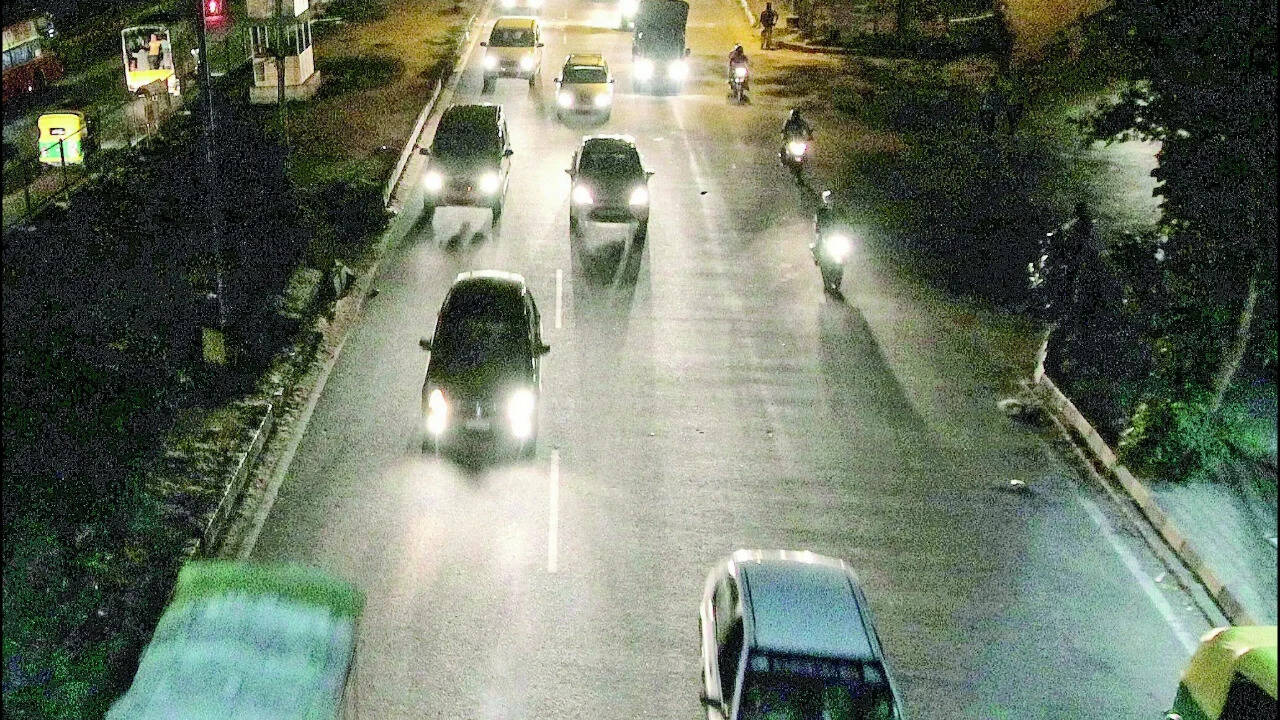
The government is preparing to implement stricter regulations concerning vehicle lighting systems in an effort to enhance road safety and reduce nighttime visibility hazards. The upcoming policy changes target two major issues on roadways: motorcycles operating with inappropriate headlight settings and the growing problem of excessive glare from modern vehicle headlamps.
Under the proposed framework, authorities intend to mandate low-beam-only functionality for certain motorcycles. This measure is designed to curb the common practice of riders leaving high beams on during city travel, which frequently blinds oncoming motorists and contributes to nighttime accidents. By automatically restricting these two-wheelers to lower beam settings in appropriate urban zones, officials hope to create a more predictable and courteous driving environment.
In addition to motorcycle lighting restrictions, the rules aim to address the widespread discomfort and temporary blindness caused by glaring headlights on cars and larger vehicles. Advancements in automotive lighting technology, including bright LED and high-intensity discharge bulbs, have made nighttime driving increasingly stressful for many commuters. The new standards will likely introduce stricter limits on beam alignment, intensity, and height to ensure that forward-facing illumination remains effective for the driver without dazzling oncoming traffic.
Road safety advocates have long urged transport authorities to tackle the issue of improper vehicle lighting, noting that poorly adjusted or excessively bright headlamps are a major factor in after-dark collisions. The glare from oncoming vehicles can severely compromise a driver's reaction time, particularly for older motorists or those driving in poorly lit rural areas.
Implementation timelines and specific technical parameters for the new rules are expected to be finalized following consultations with automotive manufacturers and safety experts. Vehicle makers will likely be given a transition period to adapt their assembly lines and lighting systems to meet the updated compliance standards. Once enacted, traffic enforcement agencies will be tasked with monitoring adherence to the new beam regulations during routine vehicle inspections and roadside checks.
Reporting based on coverage first published by The Times of India. Read the original report at The Times of India.