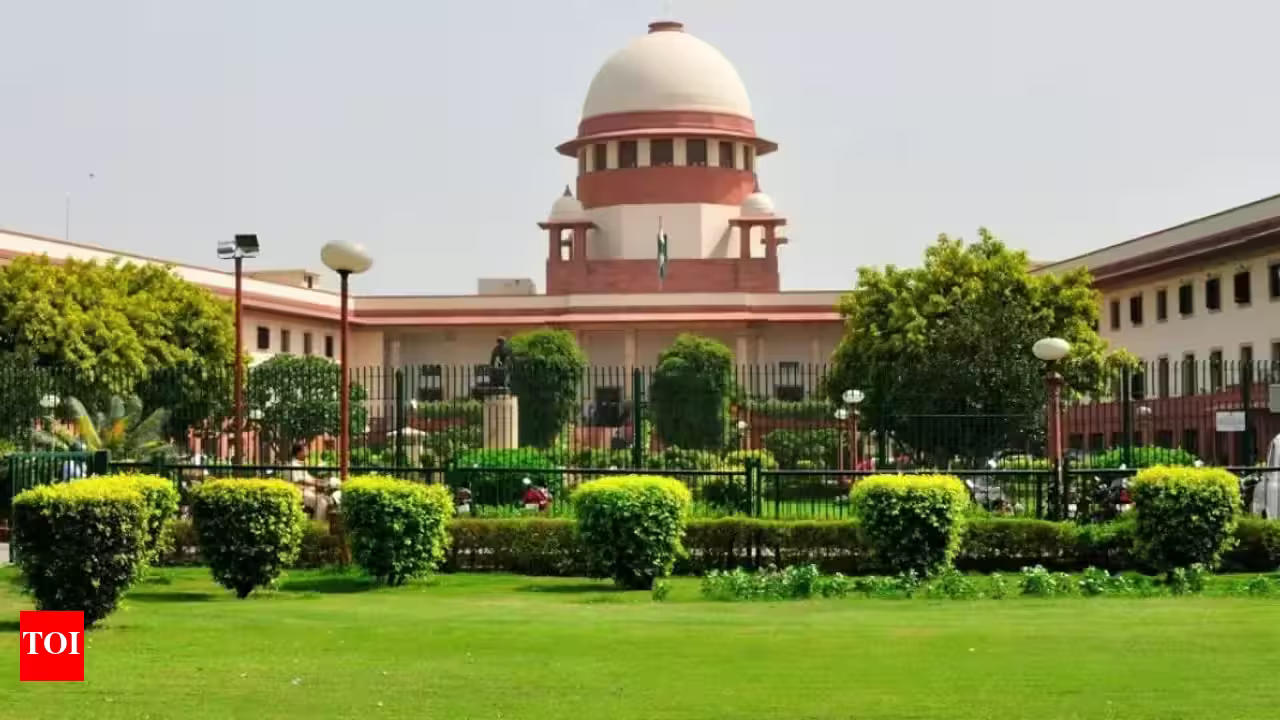
The Supreme Court of India has expressed profound alarm over a persistent surge in sexual violence within the national capital, noting disturbing similarities to a horrific crime that shook the country more than a decade ago.
During recent judicial proceedings, the apex court referenced the infamous 2012 Nirbhaya gangrape to underscore the gravity of the current safety crisis in Delhi. Justices highlighted that despite heightened public awareness and legal reforms enacted following the tragedy over ten years ago, violent offenses against women continue to plague the region.
The court pointed directly to institutional shortcomings within local law enforcement as a primary driver of the ongoing crisis. According to the bench, a systematic breakdown in policing and investigative protocols has allowed offenders to act with relative impunity, failing to provide adequate protection and justice for victims.
In response to the escalating situation, the highest judicial body took suo motu cognizance of the matter, initiating an independent case without waiting for a formal petition. This extraordinary step reflects the judiciary's urgency in tackling a problem that many view as an indictment of the current safety apparatus in the metropolitan area.
The 2012 Nirbhaya incident, which involved the brutal assault of a young physiotherapist on a moving bus in Delhi, sparked nationwide protests and led to sweeping amendments to the country's criminal code regarding sexual offenses. The latest remarks from the Supreme Court suggest that despite tougher laws and harsher potential penalties, effective deterrence and institutional reform remain elusive on the ground.
Legal observers note that the newly registered suo motu case is likely to prompt intense scrutiny of police accountability, systemic gaps in patrol and response strategies, and the overall handling of sensitive criminal investigations in the capital. The intervention places immediate pressure on authorities to overhaul internal procedures and restore public confidence in the rule of law.
Reporting based on coverage first published by The Times of India. Read the original report at The Times of India.