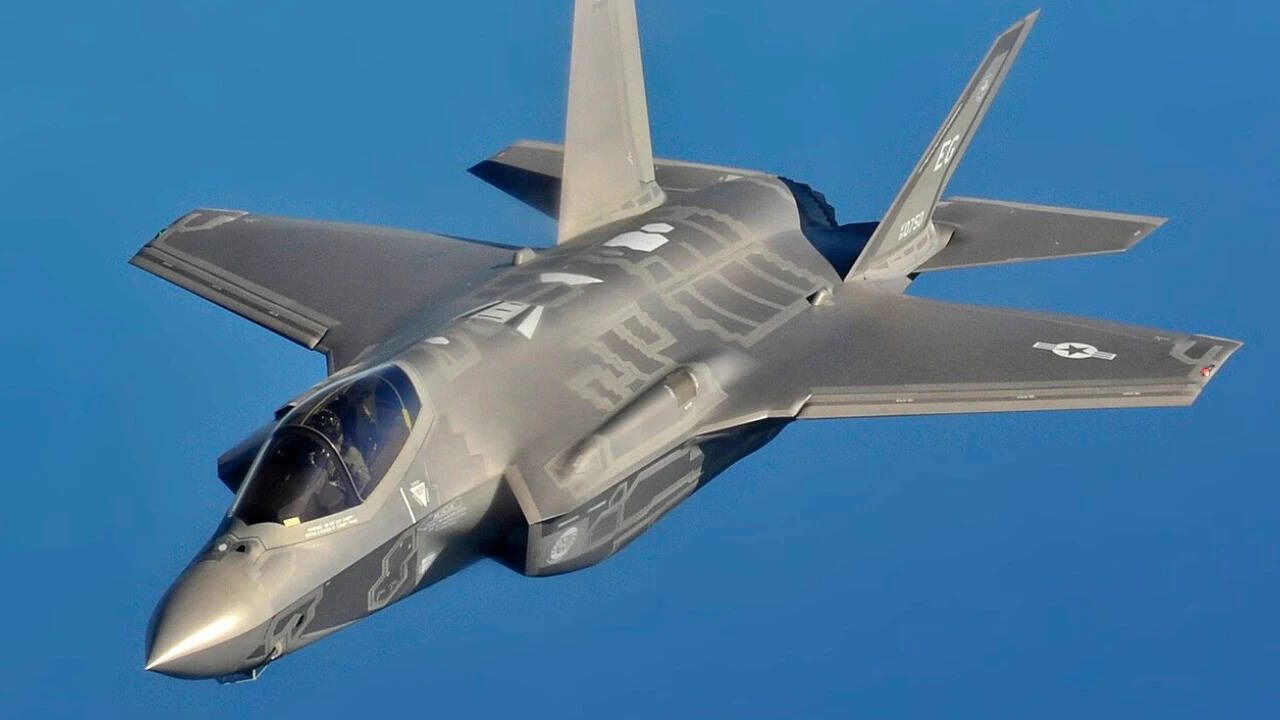
In a significant milestone for bilateral defense cooperation, United States F-35 stealth fighter jets are scheduled to participate in a joint military exercise with the Indian Air Force for the very first time. This upcoming deployment marks a deeper level of strategic engagement between Washington and New Delhi, reflecting the growing alignment of their armed forces in the Indo-Pacific region. Both nations have steadily expanded their defense ties in recent years through joint drills, technology sharing, and logistics agreements aimed at maintaining regional stability.
The historic participation of the advanced fifth-generation combat aircraft comes as the Indian Air Force continues to modernize its own fleet. Speaking on capability enhancements, the IAF vice-chief indicated that the induction of the indigenous Tejas Mark 1A fighter jet is likely to take place within the next month or two. This domestic aircraft program forms a cornerstone of India's push toward self-reliance in defense manufacturing, commonly referred to as the Atmanirbhar Bharat initiative.
The integration of the Tejas Mark 1A into active service has been eagerly anticipated by military planners. The upgraded variant features advanced avionics, active electronically scanned array radar, and modern electronic warfare capabilities designed to meet the evolving demands of modern aerial combat. Once operational, the new jets will bolster the tactical strength of the domestic fleet and gradually replace older legacy aircraft currently in service.
Joint exercises involving state-of-the-art platforms like the F-35 provide valuable training opportunities for Indian pilots and ground crews. Interacting with allied stealth technology allows the air force to refine its operational tactics, improve communication protocols, and test integrated defense strategies. Such cooperative engagements also underscore the shared strategic interests of the two democracies in ensuring open sea lanes and a secure regional order.
Defense analysts view the combination of incoming indigenous hardware upgrades and high-profile international drills as a transformative period for the military branch. As global security dynamics shift, India continues to balance its traditional defense partnerships with new strategic alignments. The arrival of the domestic fighter jets alongside multinational training initiatives highlights a comprehensive approach to modernizing national defense capabilities.
Reporting based on coverage first published by The Times of India. Read the original report at The Times of India.