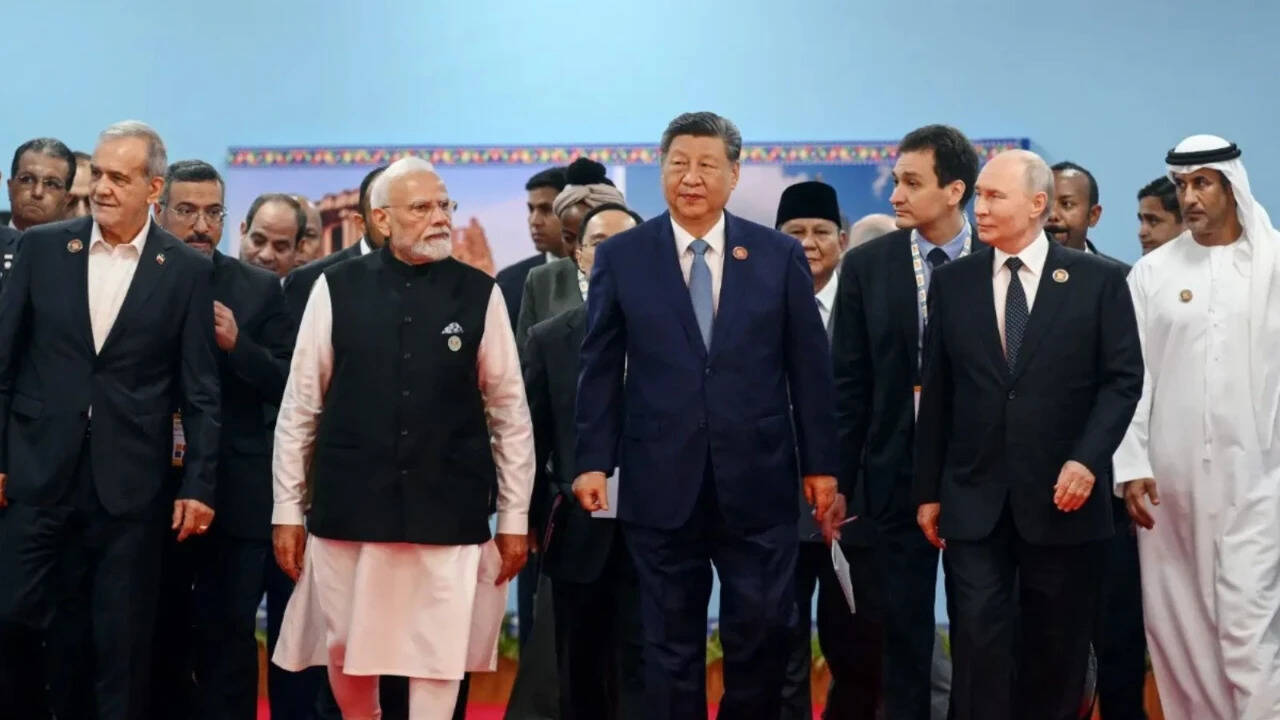
New Delhi continues to navigate a complex path in international diplomacy, successfully deepening its engagement with the BRICS bloc while simultaneously strengthening its strategic partnership with the United States. This dual-track approach highlights New Delhi's foreign policy doctrine of strategic autonomy, allowing the nation to pursue its national interests across multiple global alliances without tying itself exclusively to any single power block.
The BRICS coalition, which brings together emerging economies to discuss trade, financial reform, and geopolitical cooperation, has grown in significance as a platform for the Global South. By participating actively in these discussions, New Delhi helps shape agendas that promote multipolarity and reform within global governance institutions. At the same time, this engagement does not preclude close cooperation with Washington on critical issues ranging from regional security to advanced technology sharing and defense manufacturing.
Observers note that maintaining this diplomatic balance requires careful maneuvering. Washington and New Delhi share deep concerns regarding stability in the Indo-Pacific region, leading to robust intelligence sharing and joint military exercises. Simultaneously, New Delhi's presence within BRICS provides a valuable channel for dialogue with nations that often hold differing perspectives on Western-led international frameworks.
Rather than viewing these relationships as mutually exclusive, Indian policymakers treat them as complementary pillars of a modern foreign policy. Economic ties with Western nations remain vital for trade, investment, and technological advancement, while multilateral forums offer broader avenues for regional cooperation and diplomatic outreach. This pragmatic stance enables the country to act as a bridge between developed and developing economies.
As global power dynamics continue to shift, New Delhi's ability to maintain constructive ties across traditional geopolitical divides remains a defining characteristic of its international standing. By refusing to join exclusive blocs that demand rigid alignment, the government retains the flexibility to respond to emerging global challenges on its own terms. This balancing act ensures that New Delhi remains a crucial independent actor in shaping the future of international relations.
Reporting based on coverage first published by The Times of India. Read the original report at The Times of India.