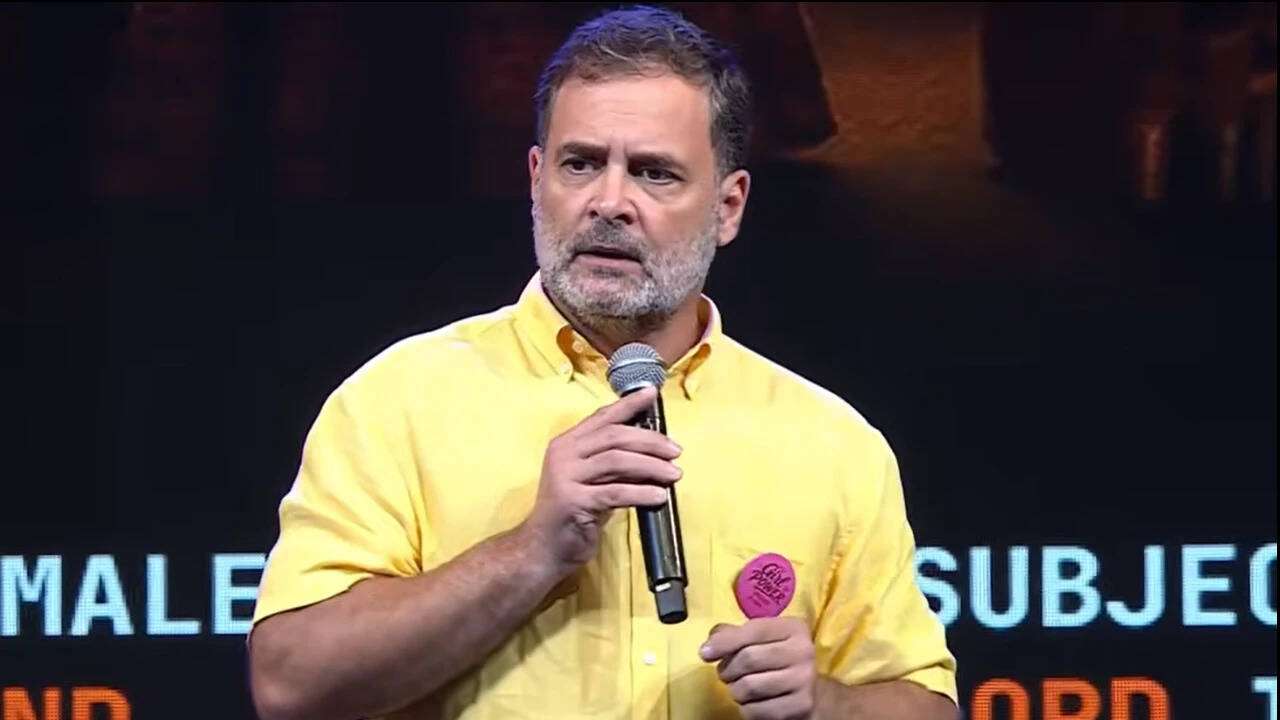
Prominent Indian politician Rahul Gandhi recently delivered a major address focusing on women empowerment during a public event in the city of Pune. Speaking to an assembled audience, the senior opposition leader framed the female population as the primary resource and greatest strength of the nation.
The gathering served as a platform for the political figure to outline his vision for greater gender equality and inclusivity within Indian society. According to reports from the event, the address emphasized that the country cannot achieve its full economic and social potential without actively integrating women into leadership roles and key decision-making processes.
Gandhi pointed out that systemic barriers continue to hold back millions of women across various sectors, limiting the nation's overall growth. He argued that policy frameworks must shift to provide stronger support systems, safety, and equal opportunities for women in the workforce and in public life.
The remarks in Pune are part of a broader ongoing political dialogue surrounding gender demographics in India. With political parties increasingly recognizing female voters as a decisive demographic block, leaders from across the political spectrum have stepped up their outreach efforts by proposing various welfare schemes and empowerment initiatives.
Observers note that Pune, located in the western state of Maharashtra, serves as a crucial political battleground for upcoming electoral contests. Events held in the industrial hub often set the tone for regional campaigns, drawing significant attention from both local and national media outlets.
As the discussion around women-centric policies continues to intensify, various political factions are expected to refine their platforms to address safety, employment, and financial independence. The recent address by the senior Congress leader adds further momentum to these debates, highlighting gender equality as a central theme in the current political landscape.
Reporting based on coverage first published by The Times of India. Read the original report at The Times of India.