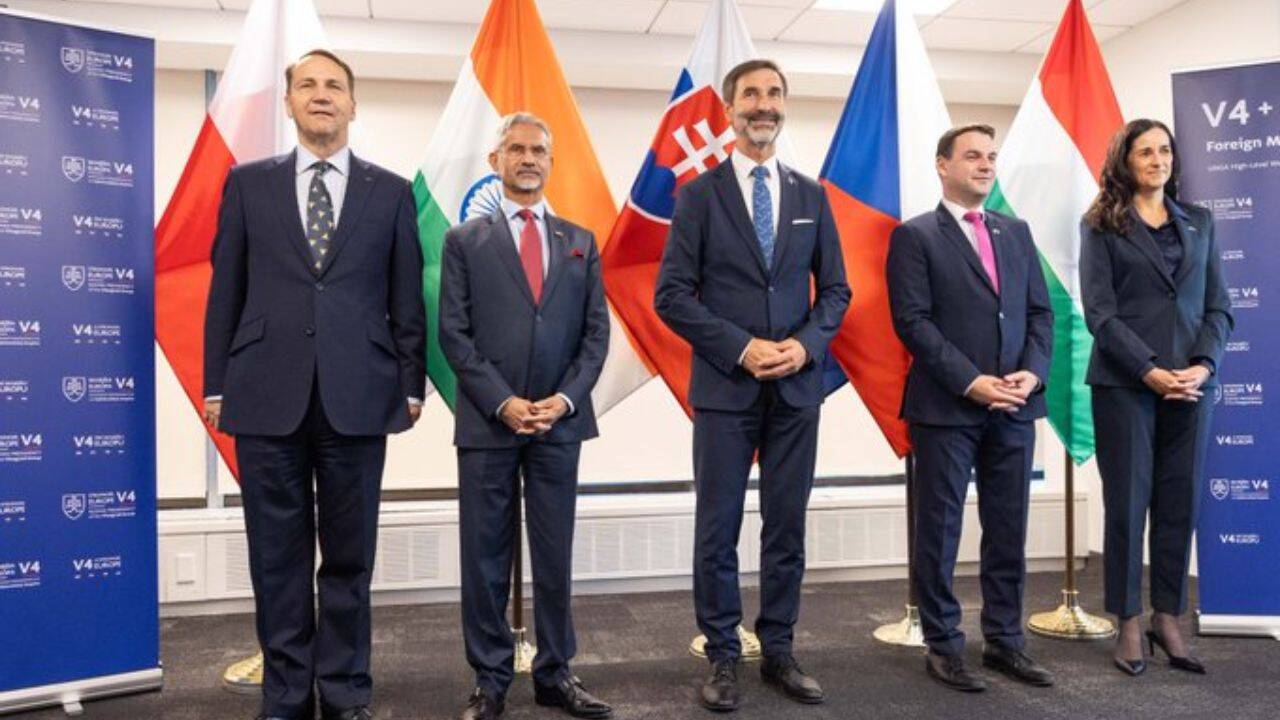
Diplomatic momentum surrounding the restructuring of the United Nations has intensified as four European countries officially expressed their support for India securing a permanent seat on the UN Security Council. This backing adds significant weight to long-standing international demands for a more representative global security architecture that reflects contemporary geopolitical realities.
The current structure of the Security Council was established in the wake of the Second World War. It currently features five permanent members holding veto authority, alongside a rotating group of temporary members. Critics have frequently argued that this framework fails to account for shifts in global power, leaving major developing nations without adequate representation in top-tier international decision-making.
India has maintained a robust campaign for a permanent seat for many years, pointing to its status as the world's most populous nation and one of its largest economies. New Delhi also emphasizes its substantial contributions to international peacekeeping operations over several decades. Despite broad verbal agreement among many member states that the council requires modernization, formal progress has historically been stalled by complex diplomatic negotiations and regional rivalries.
The endorsement from the four European nations marks a notable step forward in building a broader international consensus. Supporters of reform argue that expanding permanent membership is essential for maintaining the credibility and legitimacy of the United Nations in addressing twenty-first-century crises.
Achieving structural change within the UN remains a formidable task, as any charter amendment requires approval from a two-thirds majority of the General Assembly, as well as the concurrence of all five existing permanent members. While the latest European endorsements strengthen India's diplomatic position, formal implementation of any expansion plan will require extensive multilateral consensus and delicate compromise among global powers.
Reporting based on coverage first published by The Times of India. Read the original report at The Times of India.