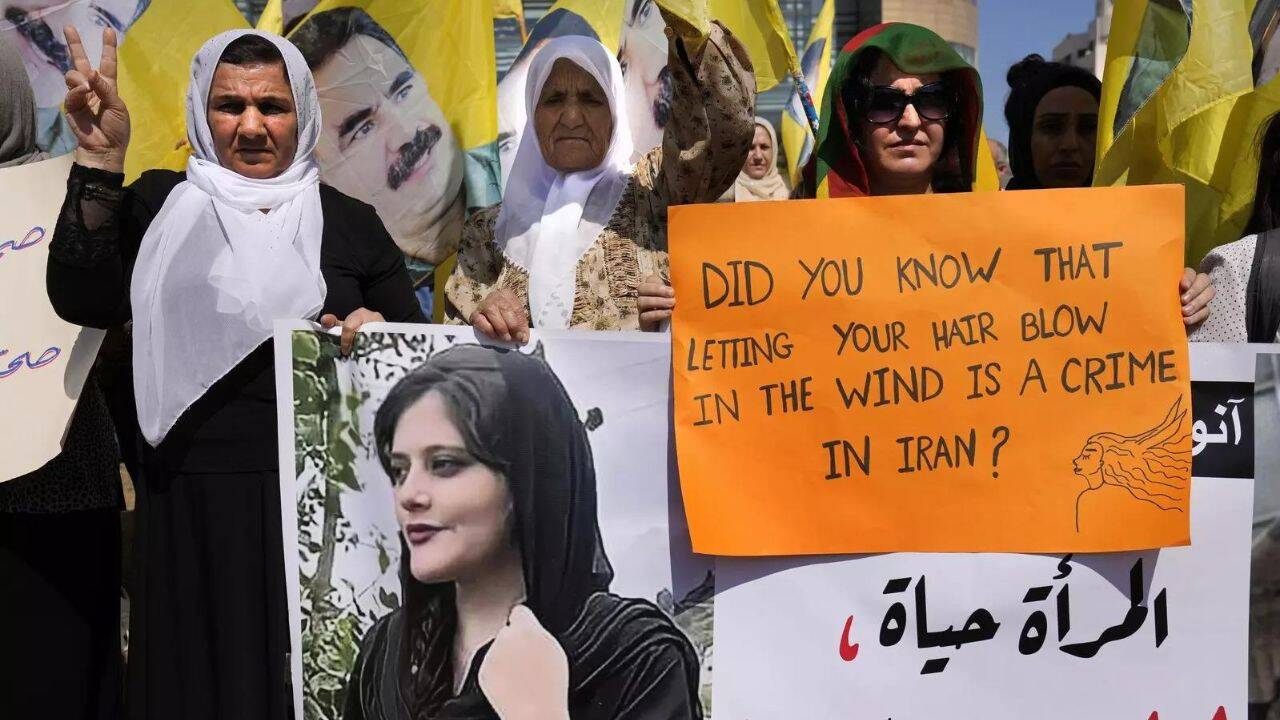
Authorities in Iran have intensified enforcement measures aimed at compelling women to wear the mandatory Islamic headscarf. The renewed campaign marks a significant escalation in tensions between the government and citizens who continue to challenge strict dress codes in public spaces.
Reports indicate that law enforcement agencies and morality patrols have increased their presence in major urban centers. Women who choose to appear in public without the traditional head covering face immediate scrutiny, fines, and potential legal penalties. The crackdown follows a persistent wave of civil disobedience that has gained momentum across the country over recent years.
The issue of mandatory veiling has remained a central point of friction in Iranian society. Following widespread protests that erupted nationwide in late 2022 and 2023, many women have increasingly rejected the legal requirement to cover their hair. Despite official warnings and the installation of advanced surveillance technology designed to identify rule-breakers, public defiance has persisted in cafes, streets, and public transportation networks.
State officials have consistently maintained that adherence to the dress code is a legal obligation rooted in national and religious statutes. Agencies responsible for public security have warned that businesses serving unmasked patrons will face severe consequences, including temporary closures. Judicial authorities have also signaled a zero-tolerance approach toward individuals who encourage or participate in anti-hijab demonstrations.
Human rights organizations have expressed concern over the renewed enforcement drive, highlighting the use of digital monitoring and economic penalties against female citizens. The ongoing standoff underscores a deepening divide between official policy and the daily realities of many urban residents who continue to push for greater personal freedoms.
Reporting based on coverage first published by The Times of India. Read the original report at The Times of India.