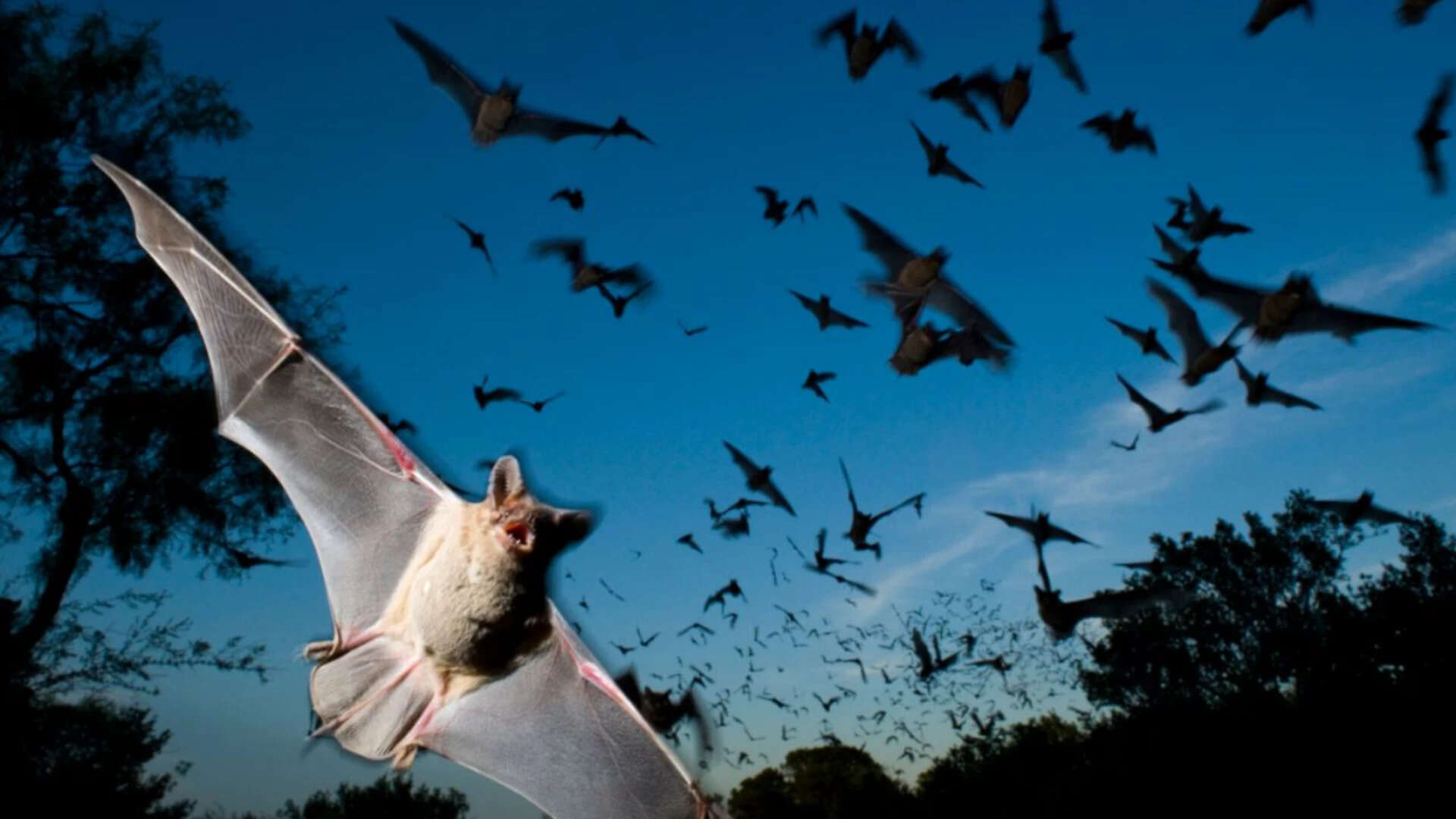
A new study has found that greater Japanese horseshoe bats adjust their echolocation calls to match the frequencies used by others in their colony instead of avoiding them. Researchers say this shared frequency creates a clearer listening range, helping bats detect prey more effectively despite many overlapping calls from nearby colony members.
This story was reported by The Times of India. Read the full coverage at The Times of India.