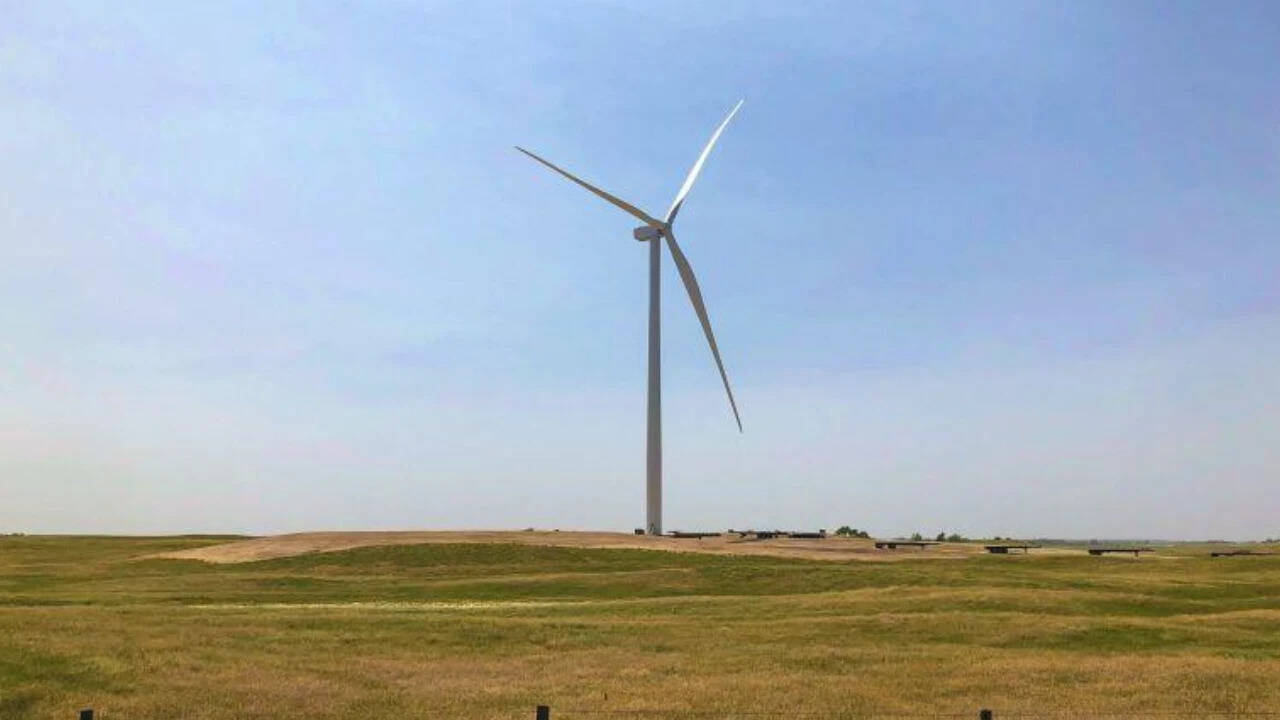
Agricultural communities across the United States are increasingly integrating renewable energy production into their daily operations. Landowners are finding that modern wind energy projects can coexist smoothly with traditional farming practices. In Nebraska, a notable arrangement highlights how a modest portion of farmland can generate substantial supplementary revenue without disrupting primary crop cultivation.
A local agriculturalist recently shared details regarding a lease agreement on a 160-acre property. The physical footprint of the industrial wind turbine consumes only about one acre of the total tract. This minimal spatial requirement leaves the vast majority of the land completely untouched and fully functional for agricultural production.
Financial comparisons underscore the economic appeal of such renewable energy leases for rural property owners. Research compiled by industry groups indicates that a standard three-decade agreement can yield between $10,000 and $12,500 every year. By contrast, cultivating traditional crops like corn on that exact same single acre typically generates significantly lower financial returns, estimated around $600 annually.
The financial disparity highlights a broader shift in how rural landowners manage economic volatility. Agricultural commodities are frequently subject to unpredictable weather patterns, shifting global markets, and fluctuating supply costs. Guaranteed annual lease payments from wind developers offer a reliable income stream that can help buffer against poor harvest years.
Energy developers specializing in rural installations emphasize that modern turbine infrastructure is designed to accommodate ongoing farm work. Farmers are able to drive machinery, plant seeds, and harvest crops right up to the base of the tower and its surrounding access roads. This dual-use model has made wind energy a popular option in windy Midwestern states where agriculture remains a cornerstone of the economy.
The growing popularity of these projects reflects a wider national transition toward clean power generation. As utility companies and independent developers seek out optimal sites for wind farms, rural property owners are positioned to benefit from the demand. Agreements of this nature demonstrate how agricultural land can simultaneously support food production and modern renewable energy infrastructure.
Reporting based on coverage first published by The Times of India. Read the original report at The Times of India.