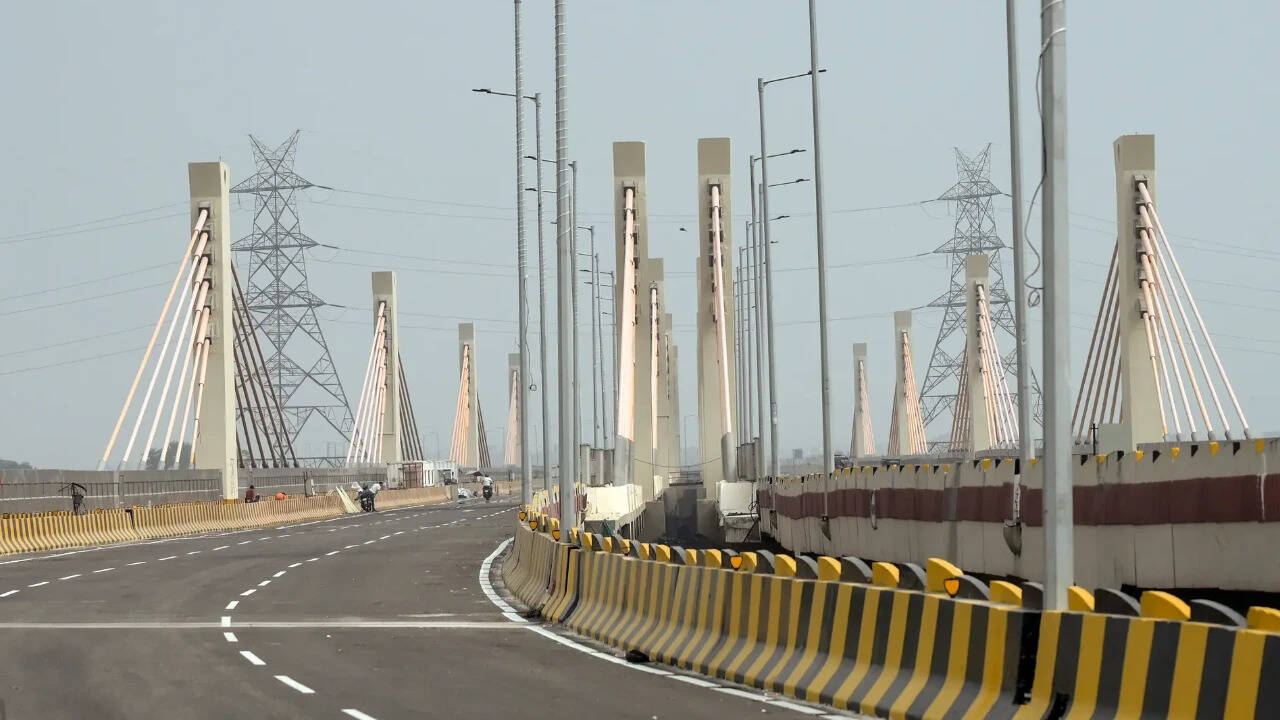
The National Highways Authority of India has announced new design standards for upcoming high-speed national highway corridors across the country. Under the updated directives, future highway projects will be engineered entirely without median cuts or surface-level intersections to enhance overall traffic flow and safety.
Transport planners have long recognized that traditional openings in highway dividers and at-grade junctions are major contributors to traffic bottlenecks and serious accidents. By eliminating these crossing points, authorities aim to reduce the frequency of sudden vehicle maneuvers, illegal U-turns, and angle collisions. The move marks a significant shift toward access-controlled infrastructure designed to accommodate higher vehicular speeds safely.
Instead of standard surface intersections, future corridors will rely on grade-separated structures such as flyovers and underpasses to manage cross traffic. Entry and exit points will be restricted to designated interchanges, preventing local traffic from mixing unpredictably with high-speed through traffic. Commuters wishing to cross the highway or change direction will be directed to use these engineered grade separators rather than cutting across lanes.
This policy adjustment aligns with ongoing efforts by transport authorities to modernize the nation's transit network and bring key arteries up to international safety benchmarks. India has experienced rapid growth in vehicle ownership and freight movement over the past decade, placing immense pressure on existing road infrastructure. Upgrading expressway and highway designs to minimize conflict points is considered essential for reducing transit times and fatality rates.
Implementation details for the new guidelines will apply to upcoming greenfield projects and major expansions currently in the planning pipeline. Engineering teams will incorporate these access-control measures directly into project DPRs, ensuring that future corridors deliver smoother journeys for long-distance motorists and commercial transporters alike.
Reporting based on coverage first published by The Times of India. Read the original report at The Times of India.