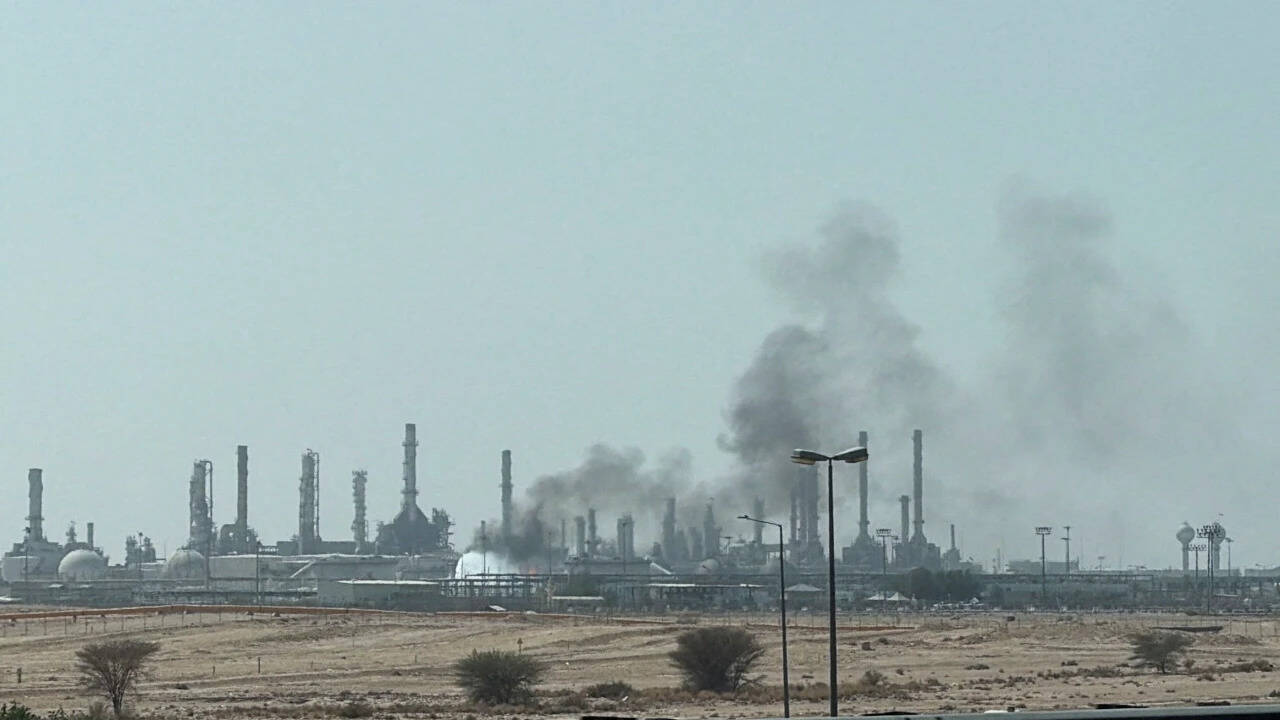
State-owned energy giant Saudi Aramco is working to establish alternative export pathways and reviewing international storage options following repeated security threats to regional petroleum infrastructure. The ongoing drone and missile attacks launched by Yemen's Houthi movement have exposed critical vulnerabilities in the kingdom's traditional supply chains, prompting executives to seek robust contingency plans.
Company leadership has emphasized that production capacity remains resilient despite the volatile security environment. Chief Executive Officer Amin Nasser recently confirmed that the organization maintains the capability to elevate crude output to twelve million barrels per day should global market conditions demand it. This production readiness is intended to reassure international consumers who depend heavily on steady petroleum flows from the Middle East.
Global physical crude markets have already reacted to the persistent instability by pricing in substantial premiums for prompt deliveries. Buyers are factoring in the heightened risks associated with transit chokepoints and vulnerable coastal facilities in the region. These elevated costs reflect widespread anxiety among refiners and traders regarding the security of vital maritime trading lanes.
Diversifying export corridors allows the petroleum exporter to bypass high-risk zones, reducing reliance on single pathways that remain exposed to regional conflicts. Establishing strategic storage reserves outside the immediate area further shields supplies from localized disruptions. Such measures aim to provide an immediate buffer for international buyers if a major production or transport facility is temporarily knocked offline.
Geopolitical tensions involving regional militant groups have repeatedly targeted energy installations across the Arabian Peninsula over recent years. While many strikes are intercepted by air defense systems, the sheer frequency of the attempts keeps security forces on high alert. The latest logistical adjustments underscore the growing urgency for major energy producers to decouple their export networks from localized geopolitical flashpoints.
Reporting based on coverage first published by The Times of India. Read the original report at The Times of India.