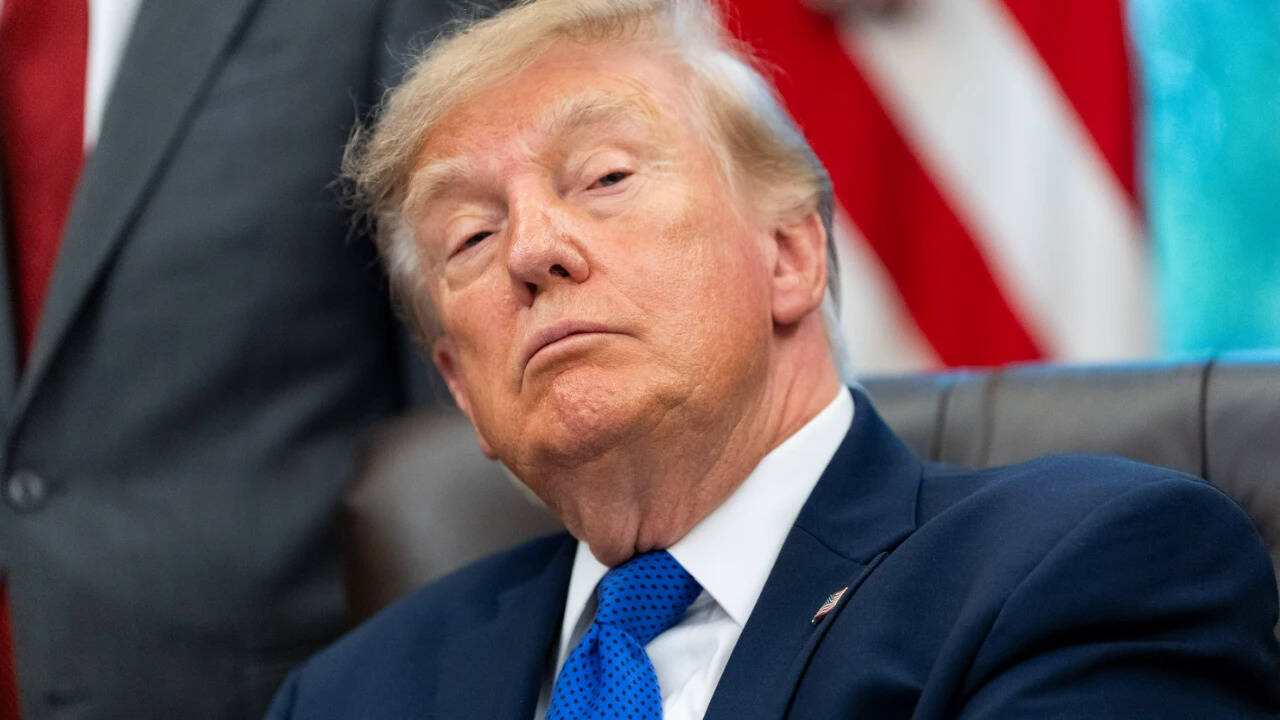
Former United States President Donald Trump has expressed sharp criticism directed at the United Kingdom following the decision by British authorities to release individuals suspected of involvement in a planned terrorist attack. The alleged plot was reportedly aimed at an American military installation located on British soil.
The criticism highlights growing transatlantic tensions regarding counterterrorism protocols and the handling of high-profile security threats. According to available reports, the suspects were taken into custody during an intelligence-led operation, but subsequent legal or administrative determinations by UK officials led to their release without immediate prosecution.
The focal point of the security concern was a US airbase operating within the United Kingdom. These installations serve as critical hubs for joint defense operations, intelligence sharing, and strategic military deployment between Washington and London. Security analysts note that any credible threat directed at these facilities naturally triggers intense scrutiny from both American and British defense agencies.
British law enforcement and judicial systems operate under strict evidentiary standards required to maintain criminal charges or prolong detentions. While intelligence agencies often share vital data regarding potential plots, prosecutors must determine whether the collected material meets the threshold for a successful court trial. The decision to free the suspects suggests that current legal hurdles prevented further detention under existing statutes.
The public rebuke from the American political figure underscores the delicate nature of intelligence cooperation and national security enforcement between traditional allies. Governments frequently navigate the complex balance between maintaining robust preventative measures against terrorism and adhering to domestic legal frameworks that protect individual civil liberties.
Neither British nor American defense ministries have issued detailed joint statements addressing the specific grievances raised regarding the release. Security cooperation between the two nations remains robust despite the diplomatic friction caused by the incident. Officials on both sides continue to review protocols surrounding the protection of foreign military personnel and assets stationed abroad.
Reporting based on coverage first published by The Times of India. Read the original report at The Times of India.