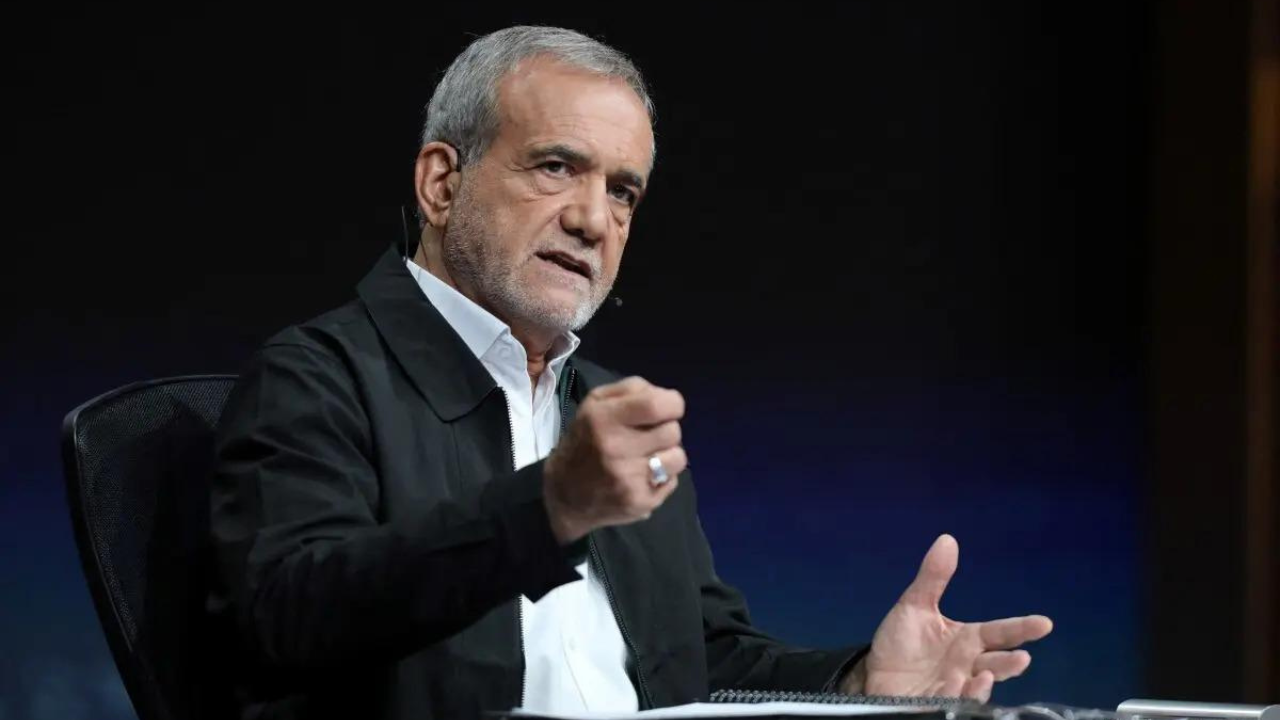
Iranian President Masoud Pezeshkian has called for a conclusion to ongoing hostilities, asserting that Tehran approaches potential peace talks from a position of national strength and dignity. Speaking publicly on the matter, the Iranian leader defended a previous diplomatic accord in the face of domestic backlash from hardliners. At the same time, top military figures in the country issued strict warnings regarding potential retaliation against hostile actions.
The diplomatic push comes as regional tensions remain high, particularly around the crucial maritime corridor of the Strait of Hormuz. Official discussions recently took place between representatives from Iran and Oman regarding the possible resumption of broader diplomatic dialogue. This vital shipping lane continues to serve as a major flashpoint for international security and global energy supplies.
International reactions to Iran's overtures remain mixed as foreign capitals weigh their next moves. United States President Donald Trump expressed skepticism regarding Tehran's current readiness to negotiate a comprehensive and suitable pact. In response to the broader geopolitical situation, Washington is reportedly preparing a new package of economic sanctions targeting Iranian interests.
The planned American penalties have already drawn joint criticism from both Iran and international partners. Authorities in Beijing joined Tehran in dismissing the utility of such economic measures, labeling them as ineffective tools for resolving the diplomatic impasse.
The ongoing standoff highlights the complicated path ahead for international diplomacy in the region. While leadership in Tehran signals a desire to wind down the conflict, divergent views on deterrence, sanctions, and prior agreements continue to complicate efforts to reach a lasting understanding.
Reporting based on coverage first published by The Times of India. Read the original report at The Times of India.