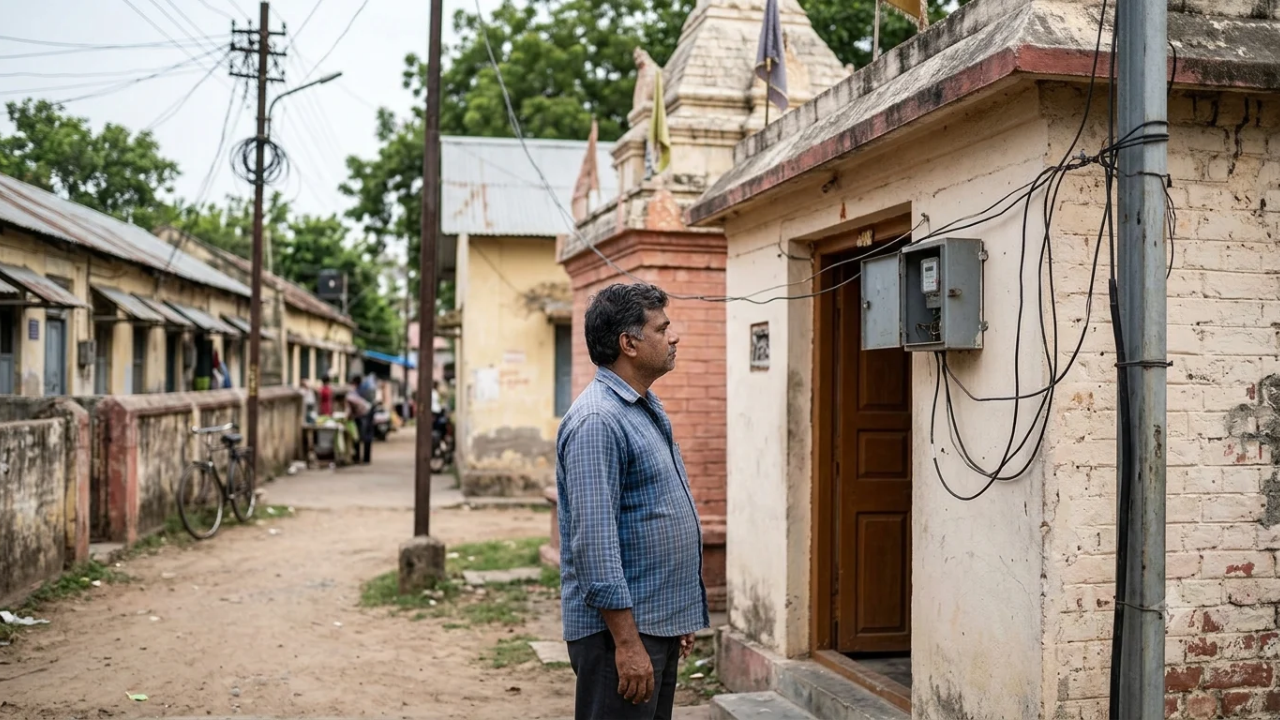
The Allahabad High Court has issued a significant legal ruling declaring that the ability to obtain electrical power constitutes a fundamental right for citizens. This judicial decision emerged from a specific dispute concerning the restoration of utility services at a modest religious site located within a railway residential zone.
The legal challenge was initiated by an individual named Fanindra Das, who sought judicial intervention to have electrical service reconnected to the local temple. Prior to the court filing, local transportation and railway officials had rejected the application, pointing to specific administrative rules and guidelines governing the use of property under their jurisdiction.
In its detailed assessment, the bench emphasized that modern existence requires a reliable supply of power to ensure a standard of living that respects human worth. The magistrates determined that utility access is no longer merely a matter of convenience or economic policy, but a vital component of personal well-being. Consequently, the tribunal dismissed the administrative objections raised by the transport authorities regarding the status of the land.
The judgment adds to a growing body of legal discourse surrounding essential infrastructure and constitutional guarantees in the region. Courts in various jurisdictions have increasingly examined how basic necessities intersect with foundational legal protections. By framing power availability as an essential component of human dignity, the ruling may influence future administrative decisions regarding utility access in disputed or restricted zones.
The directive orders the relevant agencies to proceed with the restoration of service to the location specified in the petition. Legal analysts note that the outcome underscores the judiciary's willingness to prioritize basic human welfare considerations over rigid bureaucratic constraints when fundamental living conditions are at stake.
Reporting based on coverage first published by The Times of India. Read the original report at The Times of India.