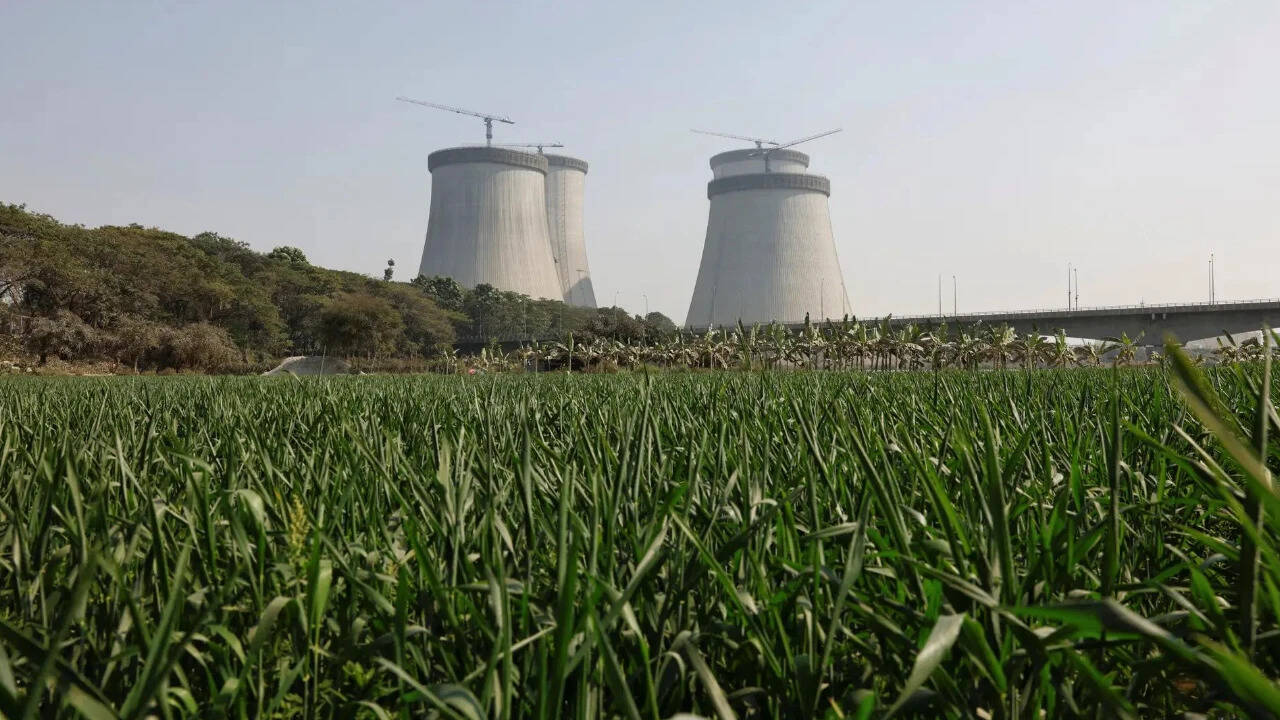
Diplomatic and logistical tensions have emerged in South Asia following a decision by authorities in Islamabad to deny flight clearance to a commercial cargo aircraft originating from Russia. The plane was transporting nuclear fuel intended for a major power generation facility currently under development in neighboring Bangladesh.
According to regional reports, the Russian transport aircraft was scheduled to transit through Pakistani airspace while carrying a consignment of uranium. The radioactive material is earmarked for the Rooppur Nuclear Power Plant, a high-profile energy project being constructed in Bangladesh with technical and financial assistance from Moscow.
The denial of airspace access has forced mission coordinators to seek alternative flight paths to deliver the critical cargo. Aviation analysts note that international transit permissions for shipments involving nuclear materials often require complex diplomatic clearances and adherence to strict safety protocols, making sudden route alterations both time-consuming and costly.
The Rooppur facility represents a cornerstone of Bangladesh's strategy to expand its domestic energy grid and reduce its reliance on fossil fuels. Russia has been deeply involved in the initiative, providing both the engineering expertise and the enriched uranium required to fuel the nuclear reactors. Once operational, the plant is expected to significantly boost the country's baseload electricity supply.
Geopolitical relations between Islamabad and Moscow have experienced various shifts in recent years, though trade and diplomatic channels remain active. The decision to withhold transit privileges for a nuclear-related shipment highlights the sensitive nature of regional security dynamics and the complex airspace management policies enforced by South Asian governments.
Project managers in Bangladesh have previously outlined comprehensive timelines for the arrival of nuclear fuel assemblies necessary for commissioning the facility's first unit. While the latest transit obstruction may introduce logistical delays, similar international nuclear supply chains typically incorporate contingency planning for route adjustments. Authorities in the affected nations have yet to issue detailed official statements regarding the specific diplomatic justifications behind the airspace closure.
Reporting based on coverage first published by The Times of India. Read the original report at The Times of India.